Wondering whether a Healdsburg cottage or a country estate fits your life better? It is a common question here, especially when both options can be appealing for very different reasons. If you are weighing walkability and charm against privacy and land, this guide will help you compare the real tradeoffs so you can make a more confident decision. Let’s dive in.
Cottages and estates in Healdsburg
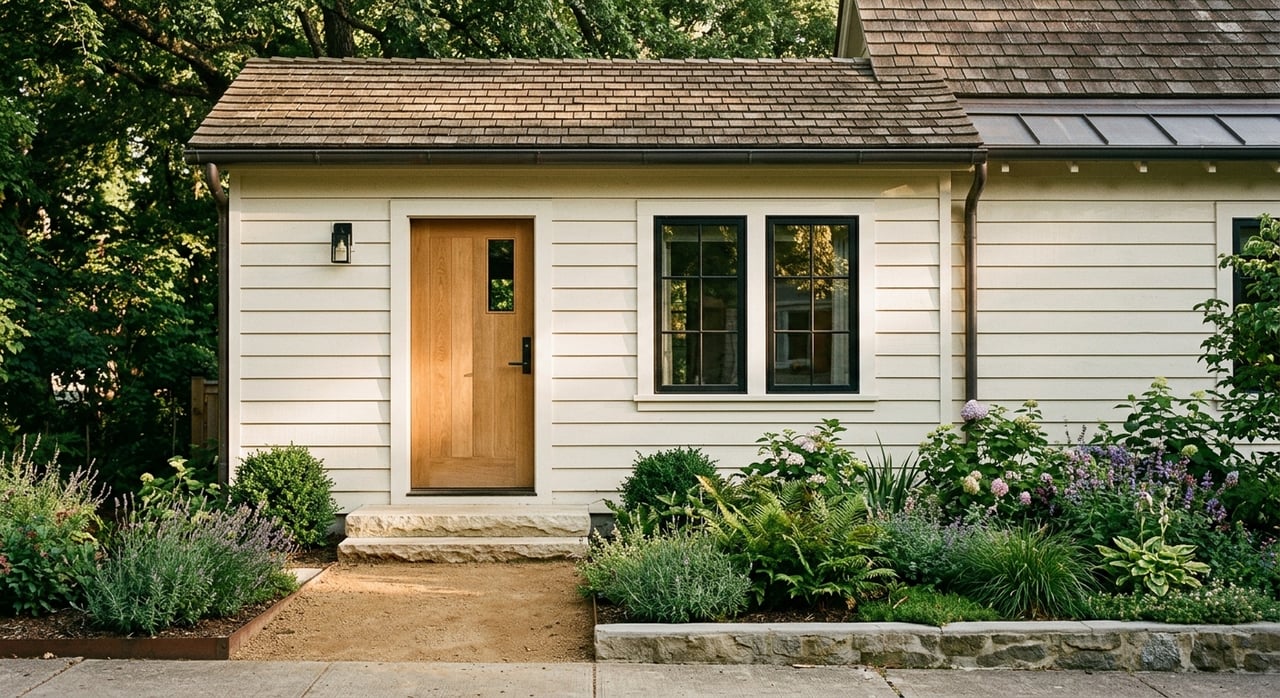
In Healdsburg, a cottage usually means a smaller-lot home in town, often near the Plaza or in older residential neighborhoods with mature trees, established streets, and historic character. These homes are tied closely to the city’s pedestrian-scale core and the convenience that comes with it.
An estate usually refers to a larger rural parcel outside the core. In Sonoma County, rural residential areas are designed to preserve rural character at very low densities, with a framework that can range from 1 to 20 acres per dwelling unit. That difference shapes not just the setting, but the daily ownership experience.
Why cottages appeal to buyers
If you want a home that keeps you connected to town, a cottage can be a strong fit. Older in-town neighborhoods are close enough to the Plaza, library, post office, shops, restaurants, offices, parks, civic destinations, and the historic rail depot to make daily life feel simpler and more walkable.
That convenience often translates into less car dependence for errands, dining, and social plans. For many buyers, that is the biggest lifestyle advantage of choosing in-town living in Healdsburg.
Cottage character and charm
Healdsburg’s older neighborhoods include historic districts and many historic buildings, so architectural character is often a major part of the appeal. If you are drawn to front porches, mature landscaping, and homes with a sense of place, cottages often deliver that in a way newer housing may not.
That said, charm can come with rules. In the Johnson Street and Matheson Street historic districts, exterior changes, additions, new construction, and some demolition work require design review, and larger changes may go before the Historic Committee.
Cottage maintenance and services
A smaller lot usually means less exterior upkeep. You may have less yard to maintain and fewer land-management responsibilities than you would on a rural parcel.
In-town owners are also more likely to rely on municipal infrastructure. Healdsburg provides electric, water, and sewer service, which can simplify ownership compared with private systems.
Cottage tradeoffs to keep in mind
The same in-town setting that makes a cottage convenient can also mean less privacy. You are generally trading acreage and separation for access, character, and a more compact lifestyle.
You may also have less room for gardens, guest spaces, or other outdoor uses. If expansion potential is important to you, it is worth looking closely at lot size, overlay rules, and what changes may be possible.
Why estates appeal to buyers
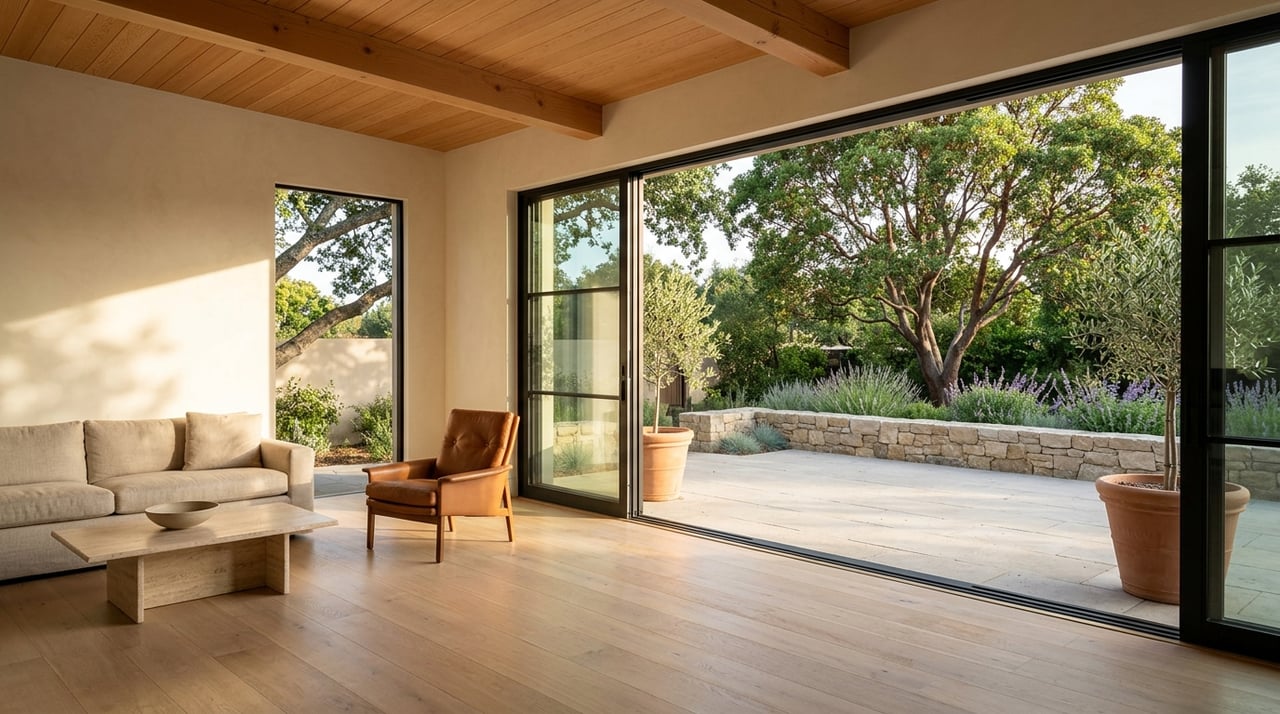
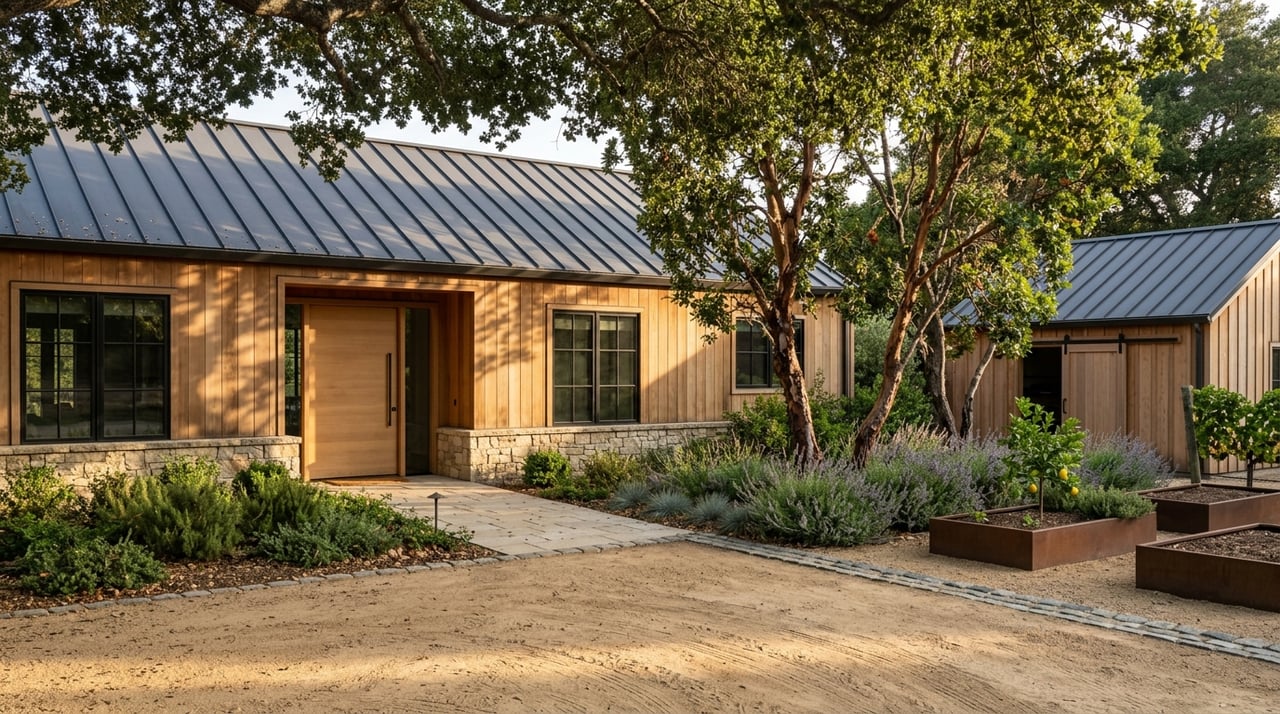
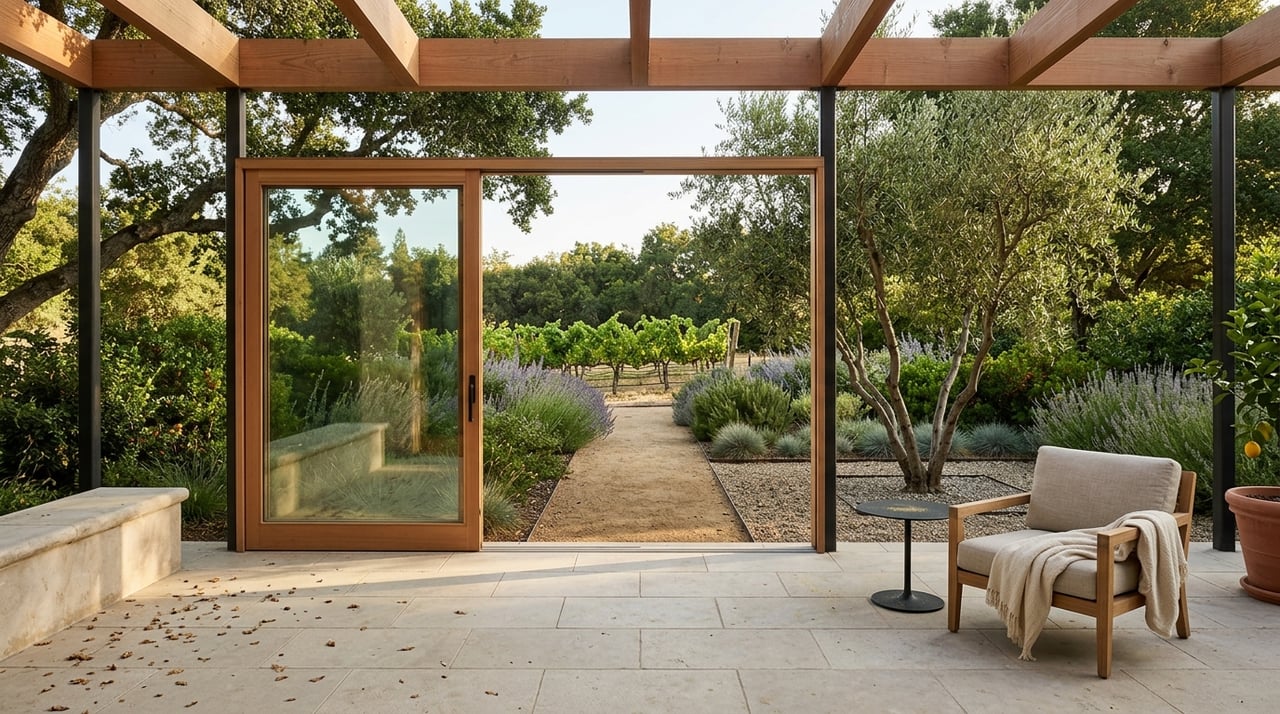
If your ideal Wine Country home is quieter, more private, and more spread out, an estate may be the better match. Sonoma County’s rural residential framework is built around low density and rural character, which is why larger parcels often offer more separation from neighbors and more open space.
For many buyers, that space is the point. You may have more room for outdoor living, landscape design, and land-based hobbies, along with a stronger sense of retreat.
Estate privacy and land use
A larger parcel changes how a property lives day to day. More acreage can create flexibility for how you use outdoor space, and it often supports the kind of privacy that buyers specifically seek in Wine Country.
This is also where the setting matters most. An estate is not just a bigger house. It is usually a different ownership model, with more land and more parcel-level decision-making.
Estate systems and access
Rural parcels are more likely to involve private wells and septic systems, which are regulated by Permit Sonoma. That means your due diligence should go beyond the house itself and into how the property is serviced.
Access also matters more than many buyers expect. County work in the right-of-way, including driveway upgrades, utilities, drainage, landscaping, and mailbox structures, can require encroachment permits.
Estate maintenance and wildfire review
More land usually means more stewardship. Driveways, vegetation management, and general site maintenance can take more time and planning than they would at an in-town property.
Wildfire should also be part of the conversation from the start. CAL FIRE notes that fire hazard maps are based on vegetation, topography, climate, ember production, and fire history, and local jurisdictions may have stricter defensible-space standards than the state minimum.
How daily life differs
A simple way to think about the choice is this: cottages tend to optimize convenience, while estates tend to optimize separation. Neither is better across the board. The right answer depends on how you want to live.
If you like walking to dinner, running errands without much driving, and having city services in place, a cottage may feel easy in all the right ways. If you want more privacy, more land, and a stronger rural setting, an estate may feel more aligned with your long-term goals.
What to check before you choose
Before you fall in love with either type of property, it helps to confirm a few practical details. In Healdsburg, assumptions can lead buyers in the wrong direction because one property may be governed very differently from another.
For a cottage
Check these items before moving forward:
- Whether the home is within a historic district overlay
- Whether planned exterior updates may require design review
- The exact lot size and outdoor-use limitations
- The city service setup for electric, water, and sewer
For an estate
Check these items before moving forward:
- Well and septic status
- Driveway access and any right-of-way issues
- Whether future work may require county encroachment permits
- Parcel-specific wildfire considerations and defensible-space requirements
- The exact rural setting and land-management expectations
Which option tends to fit best
If your priority is being close to the Plaza, enjoying established neighborhood character, and keeping land maintenance manageable, a cottage is often the more practical choice. It can support a simpler day-to-day routine while still giving you the feel of classic Healdsburg.
If your priority is privacy, acreage, and a more rural Wine Country setting, an estate may offer a better fit. You just need to be comfortable with the added complexity that can come with private systems, access planning, and wildfire mitigation.
Think about resale too
Cottages and estates often attract buyers for different reasons, and that can matter when you think ahead to resale. The strongest cottage selling points are usually walkability, character, and a compact lifestyle.
For estates, the main draw is often privacy, acreage, and the appeal of rural Wine Country living. The tradeoff is that private systems, access maintenance, and wildfire mitigation can narrow the buyer pool compared with a simpler in-town property.
The best choice is the one that fits your life
In Healdsburg, the cottage-versus-estate decision is really about how you want your home to support your routine, your priorities, and your comfort with ongoing property stewardship. A smaller in-town home can bring convenience and character, while a larger rural property can offer space and privacy that are hard to match.
If you want help comparing specific Healdsburg properties through that lens, Berg Group can help you evaluate the lifestyle fit, property details, and practical due diligence with a local, thoughtful approach.
FAQs
What does a cottage usually mean in Healdsburg?
- In Healdsburg, a cottage usually refers to a smaller-lot home in town, often in or near older neighborhoods close to the Plaza, with established streets, mature trees, and historic character.
What does an estate usually mean near Healdsburg?
- Near Healdsburg, an estate usually refers to a larger rural parcel outside the downtown core, often in Sonoma County’s low-density rural residential areas that emphasize open space and rural character.
Are Healdsburg cottages easier to maintain than estates?
- Often, yes. Cottages usually sit on smaller lots, which can mean less exterior upkeep, while estates often require more land stewardship, vegetation management, and site-specific maintenance.
Do rural Healdsburg estates usually have city utilities?
- Not always. Rural properties are more likely to rely on private wells and septic systems, so it is important to verify the exact service setup for any parcel you are considering.
Can historic rules affect a cottage in Healdsburg?
- Yes. In certain historic districts, exterior changes, additions, new construction, and some demolition work can require design review, so buyers should confirm whether a property is subject to those rules.
Why is wildfire review important for Healdsburg estates?
- Wildfire review matters because rural and hillside parcels can have property-specific exposure tied to vegetation, topography, climate, ember production, and fire history, and local defensible-space standards may be stricter than state minimums.