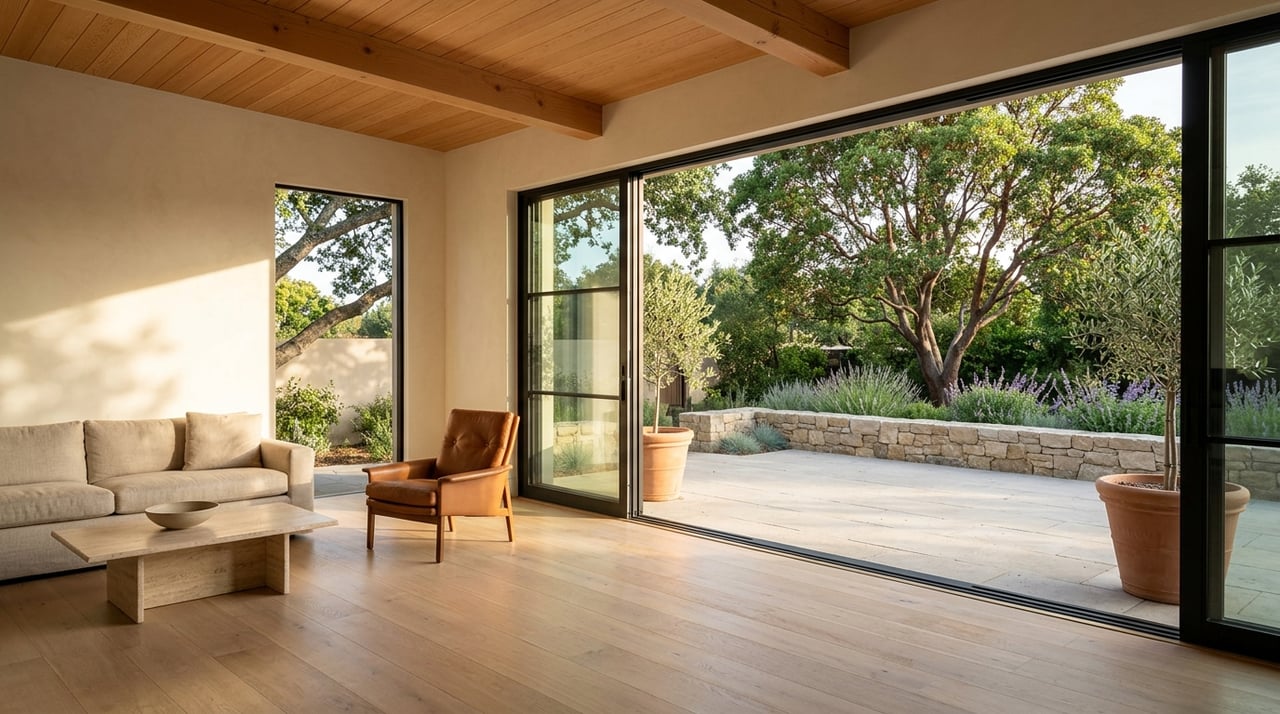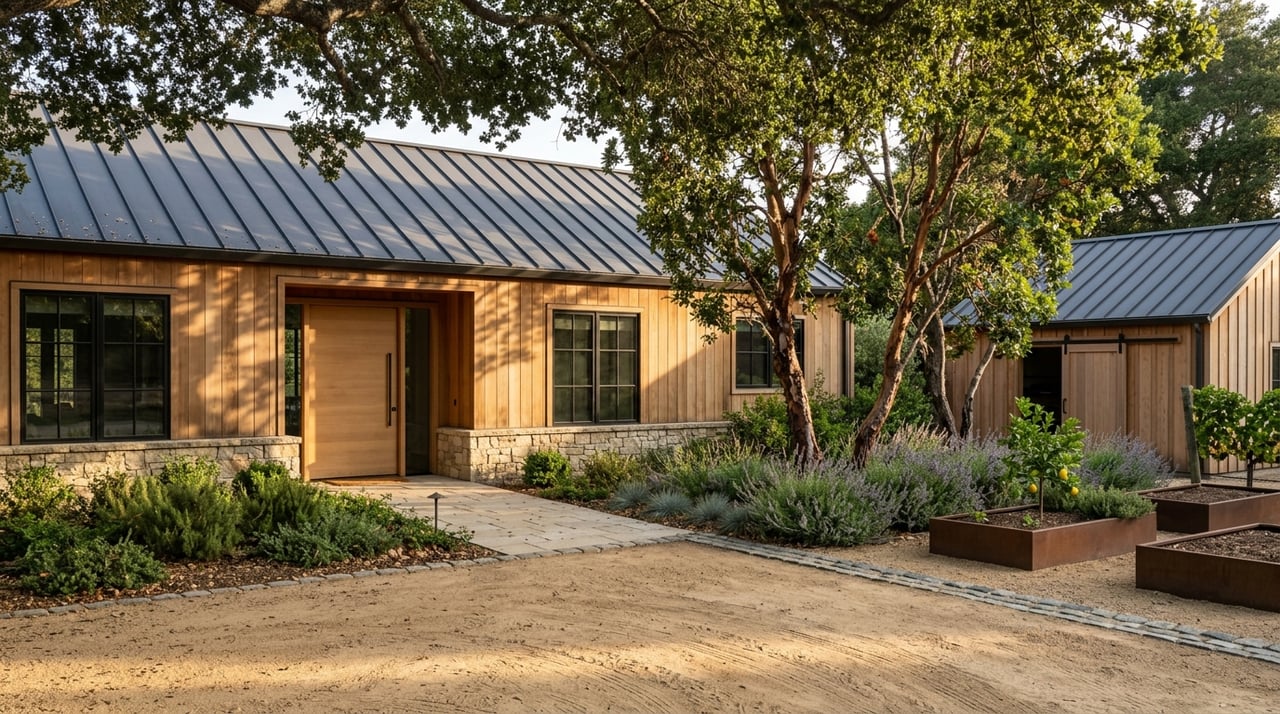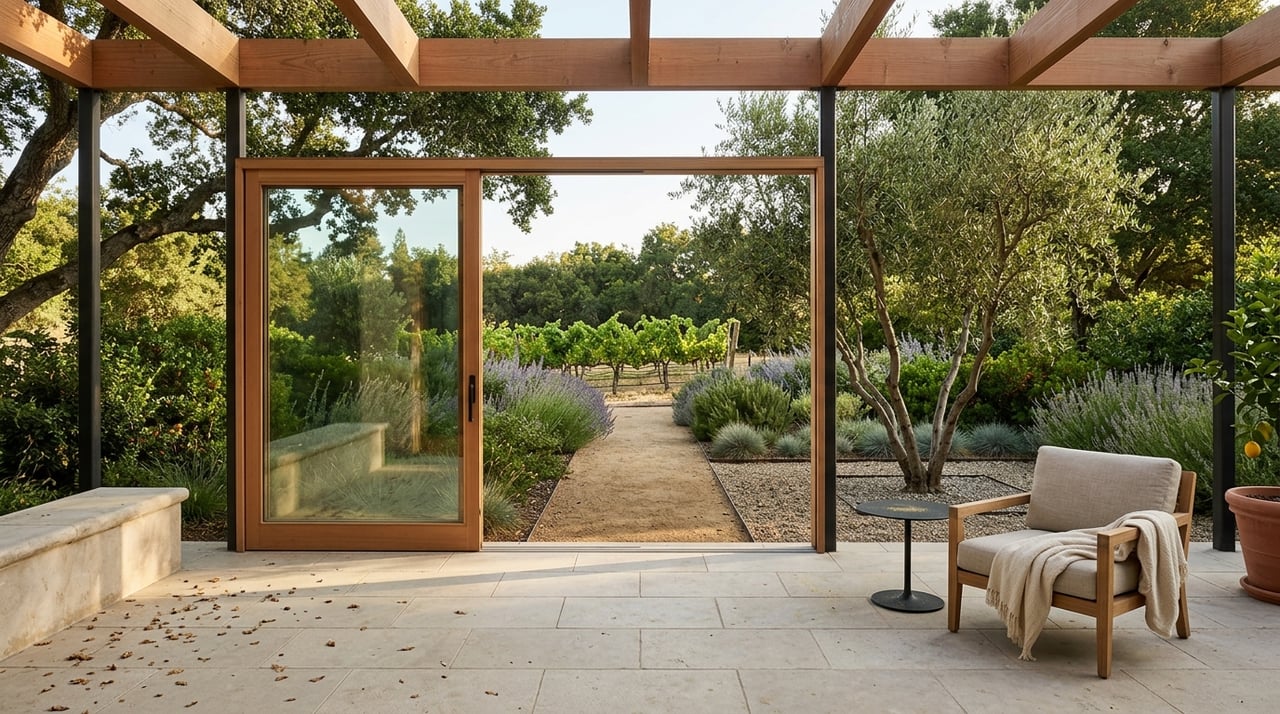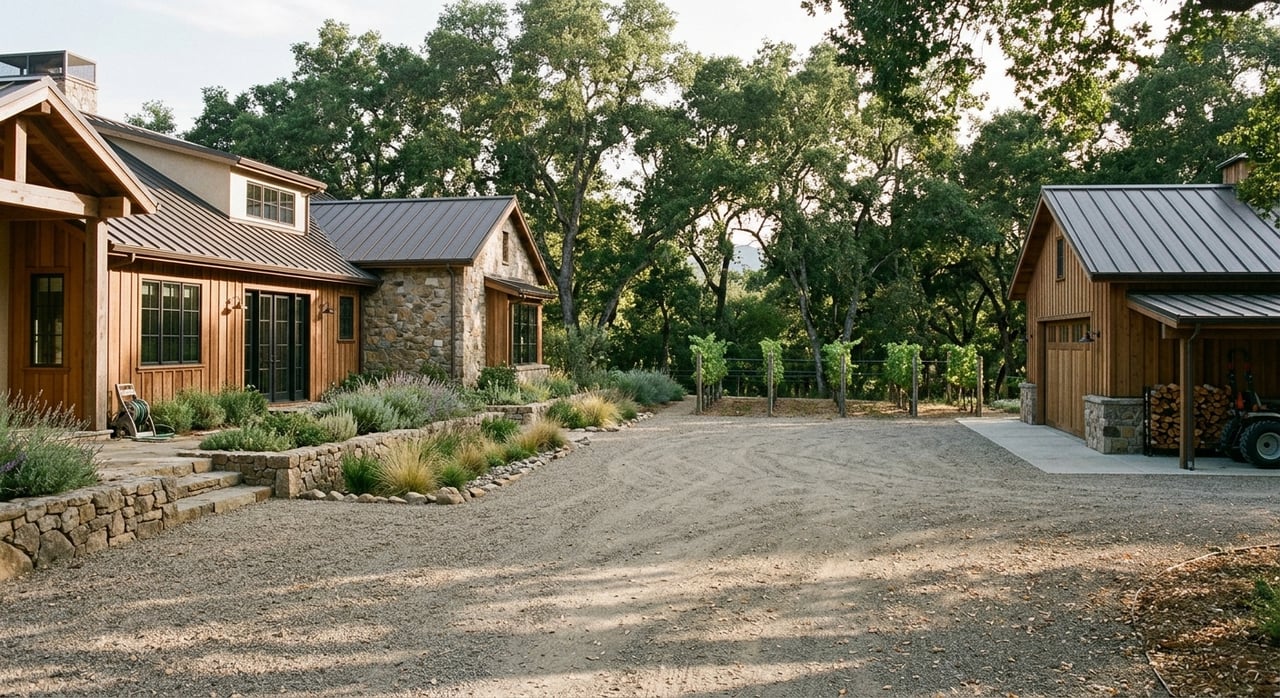
If you are drawn to Kenwood for space, privacy, and Wine Country character, the house is only part of the story. In this part of Sonoma Valley, estate living often means understanding the land itself, from access roads and gates to water, septic, and wildfire planning. If you are considering a home on acreage or preparing to sell one, this guide will help you focus on the details that shape daily ownership in Kenwood. Let’s dive in.
Kenwood feels rural by design
Kenwood reads more like a small Sonoma Valley village than a dense town center. Sonoma County describes Kenwood Plaza Park as part of the village of Kenwood, roughly halfway between Santa Rosa and Glen Ellen, and local planning materials note a mix of commercial uses, wine-tasting rooms, and single-family homes along the Highway 12 frontage.
That setting matters when you look at estate property here. You may find a home that feels close to village amenities while still sitting within a distinctly rural land-use pattern, with nearby oak woodlands, ridges, and larger open parcels shaping the landscape.
Kenwood parcels can vary widely
One of the biggest surprises for buyers is how different one parcel can be from the next. Sonoma County’s land-use framework separates rural residential and agricultural districts from more urban categories, and county policy places strong emphasis on protecting agricultural land and operations.
In practice, that means a Kenwood property may be more than a single home on a standard lot. You might be looking at a residence on acreage, a small ranch or vineyard parcel, or a property where the home is only one piece of a larger land-use picture.
The house may not be the only structure
On larger rural parcels, county project files often include more than the main residence. A property may also have a barn, garage, shed, or other accessory structures, along with designated building envelopes or septic areas.
That distinction matters because Sonoma County fire standards treat accessory structures separately from the primary dwelling when access and fire-safety review are considered. If you are evaluating a property, it helps to understand not just what structures exist, but how they relate to access, safety, and future use.
Access is a major ownership factor
On acreage, access is not a small detail. It is one of the most important parts of how a property functions day to day and how it may be reviewed for safety.
Sonoma County parcel standards require each parcel to front either a county-maintained road or a private road with adequate right-of-way. Access must also allow reasonable ingress and egress for emergency vehicles, which can affect how a driveway, lane, or shared road is configured.
Road design can affect usability
County fire rules add practical requirements that buyers should understand early. Dead-end fire-apparatus roads longer than 150 feet may need turnarounds, gates can be subject to setback and emergency-release requirements, and driving surfaces may need to meet all-weather standards.
In Kenwood specifically, the Sonoma Valley Trail study notes limited public road right-of-way in the Highway 12 corridor. For you as a buyer or seller, that reinforces why each property’s access setup deserves close attention rather than broad assumptions.
Privacy and access often go together
Many buyers are drawn to Kenwood acreage for privacy, but privacy often comes with more infrastructure. A long driveway, a private gate, or a shared rural road can add character and separation, yet those features also bring maintenance and fire-safety considerations.
When you evaluate a property, it is worth asking how the access supports both everyday convenience and emergency response. That balance is central to comfortable estate living in this area.
Wildfire planning is part of normal ownership
In Kenwood, wildfire planning is not a special-case issue reserved for only a few homes. It is part of ordinary ownership on many rural and estate properties.
CAL FIRE explains that fire-hazard maps classify hazard, not property-specific risk. Those maps are based on factors such as fuels, topography, climate, and fire history, and they do not account for property-level mitigation like home hardening or recent fuel reduction.
Defensible space matters around structures
Sonoma County requires owners to maintain defensible space and abate hazardous vegetation. The county highlights the first 30 feet around structures as the most intensive management zone.
For an estate owner, that can mean ongoing work around the home, guest structures, garages, and access roads. Vegetation management is part of the operating rhythm of the property, not just a one-time project.
Water and septic are site-specific
One of the most important mindset shifts for acreage buyers is this: do not assume a suburban utility setup. In Kenwood, water and wastewater systems can vary significantly from one property to another.
A county staff report for a Kenwood property states that Kenwood is served in some areas by Kenwood Village Water Company, a state-regulated water system. Other Sonoma County land-division files show parcels that rely on private domestic wells and septic systems instead.
Water service can differ by parcel
Because service can vary, it is important to confirm the actual water source for the specific property you are considering. A parcel connected to a community water system may have a different ownership experience than one served by a private well.
This is one reason local, parcel-level due diligence matters so much in Kenwood. Two homes that look similar online may operate very differently once you review the site systems.
Septic planning affects future use
County conditions for rural parcels can require percolation tests, preliminary septic design, reserve areas, well-site planning, and water-quality testing before recording or occupancy. That means wastewater planning is often tied directly to what can be built, improved, or occupied on the land.
On some properties, there may also be a protected reserve area for future wastewater systems. County code indicates those areas need to be kept free from encumbrances such as buildings, roads, wells, or parking areas.
Land stewardship goes beyond the home
With estate property, maintenance responsibilities usually extend well past the front door. County code and project conditions point to ongoing obligations that can include vegetation management around structures and roadways, upkeep of private roads and gates, septic monitoring and repairs, and drainage control.
That does not mean ownership is complicated in a negative way. It means the land has systems, and understanding them helps you make a more confident decision.
Daily ownership is about systems
For many Kenwood buyers, the biggest learning curve is realizing that the property’s operating systems often matter as much as the house itself. The quality of access, the location of structures, the water source, the condition of septic infrastructure, and the demands of vegetation management all shape how the property lives.
If you are selling, these same details can shape buyer confidence. Clear information about access, utilities, and site features can help position the property more effectively from the start.
Key questions to ask about Kenwood land
Whether you are buying a primary residence, a second home, or a lifestyle property, a few questions can help frame your review:
- What is the property’s water source: Kenwood Village Water Company or a private well?
- What is known about the septic system’s age, capacity, reserve area, and any testing or repair requirements?
- Does the access road meet current expectations for width, gate placement, and emergency vehicle turnaround?
- What is the property’s current fire-hazard designation, and what defensible-space work may be expected?
- Are there accessory structures, building envelopes, or reserved septic areas that affect how you can use the land?
These are not fringe questions in Kenwood. They are part of understanding the property as a whole.
Why local guidance matters in Kenwood
Kenwood estate property can be deeply appealing because it offers a blend of village scale, rural character, and the space that many Wine Country buyers want. At the same time, each parcel can come with its own physical and operational details.
That is why local context matters. A thoughtful review of access, land-use setting, site systems, and maintenance responsibilities can help you move forward with more clarity, whether you are purchasing a home on acreage or preparing to bring a property to market.
If you are exploring estate living in Kenwood or thinking about selling a land-rich property, Berg Group offers principal-led guidance grounded in Sonoma County expertise and a thoughtful, hands-on approach.
FAQs
What makes Kenwood estate property different from a typical suburban home?
- Kenwood estate property often includes acreage, rural access considerations, accessory structures, and site-specific systems like wells or septic, so the land itself plays a much larger role in ownership.
What should you check about water service on a Kenwood property?
- You should confirm whether the parcel is served by Kenwood Village Water Company or a private domestic well, because utility setup can vary from property to property.
Why is access such an important issue for Kenwood acreage?
- Sonoma County requires parcels to have adequate frontage and emergency access, and fire rules can affect road width, gate placement, turnarounds, and all-weather driving surfaces.
What should you know about septic systems in Kenwood?
- You should review the septic system’s age, capacity, reserve area, and any required testing, design updates, or repairs, since wastewater systems are often a major part of rural due diligence.
How does wildfire planning affect Kenwood property ownership?
- Wildfire planning is part of normal ownership, with county requirements for defensible space and hazardous vegetation abatement, especially within the first 30 feet around structures.