When you sell a property in Sebastopol, you are rarely selling just a house. You are presenting a setting, a rhythm of daily life, and often a piece of land that buyers will evaluate from the driveway to the far edge of the parcel. If you want strong early interest, your prep work needs to go beyond basic tidying and focus on how the property looks online, feels in person, and reads on paper. Let’s dive in.
Start With the Property Story
In Sebastopol, many listings compete on more than square footage alone. Buyers may be looking at gardens, patios, outbuildings, views, orchards, or open land as part of the value. That means your pre-listing plan should frame the home as a land-and-lifestyle property from the very beginning.
That approach matters because buyers often meet your home online first. National Association of Realtors research reports that 52% of buyers found the home they purchased online, and 81% said listing photos were the most useful feature during their search. If your property’s strongest appeal is the approach, outdoor living, or usable land, those features should shape the entire presentation.
Put Outdoor Appeal First
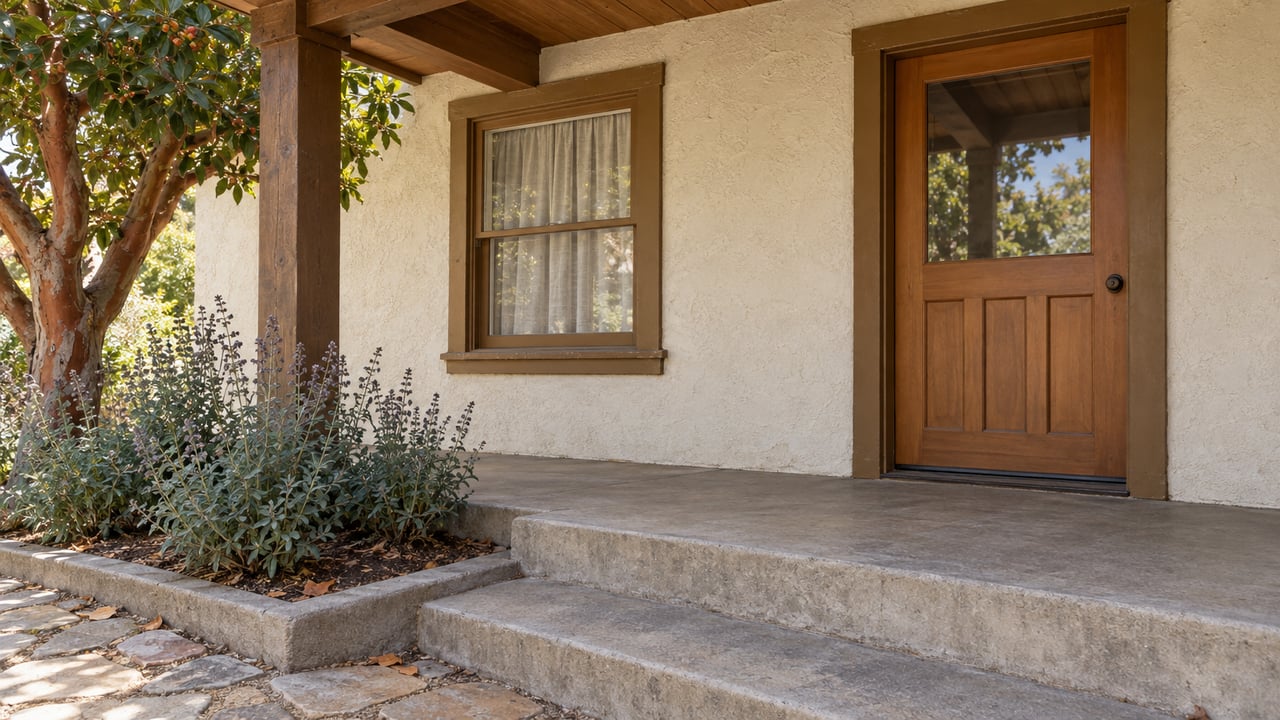
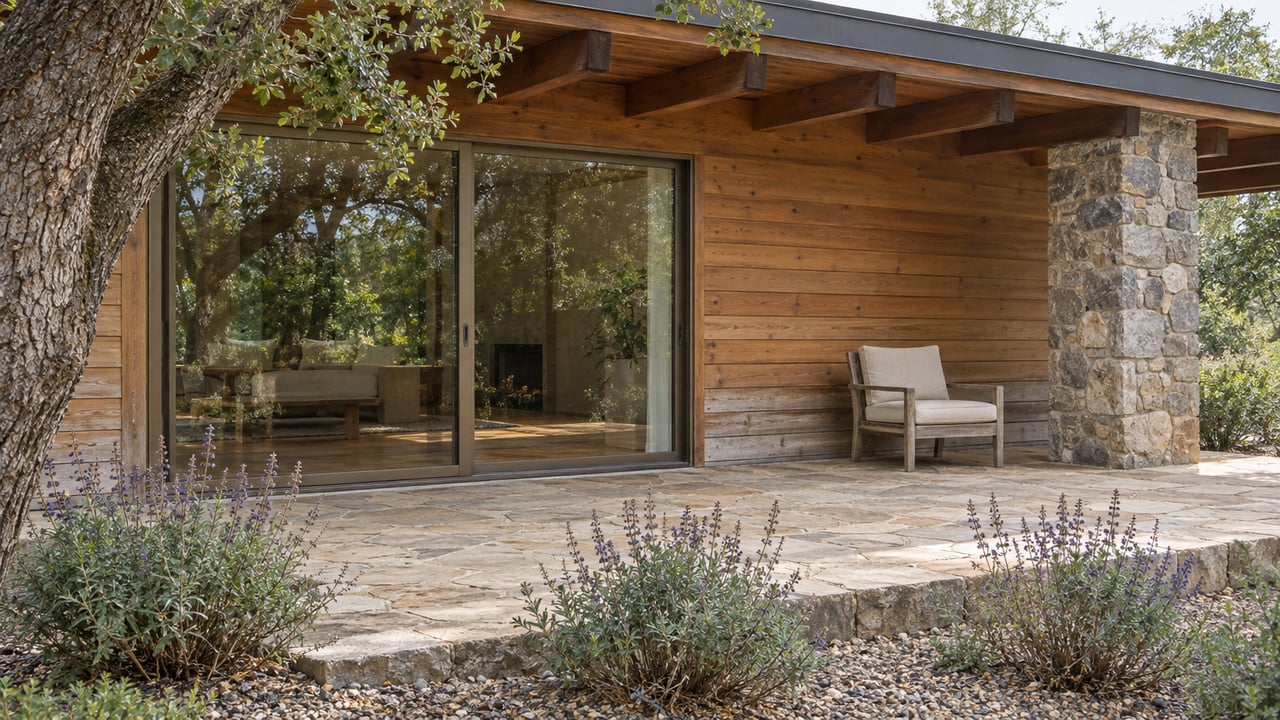
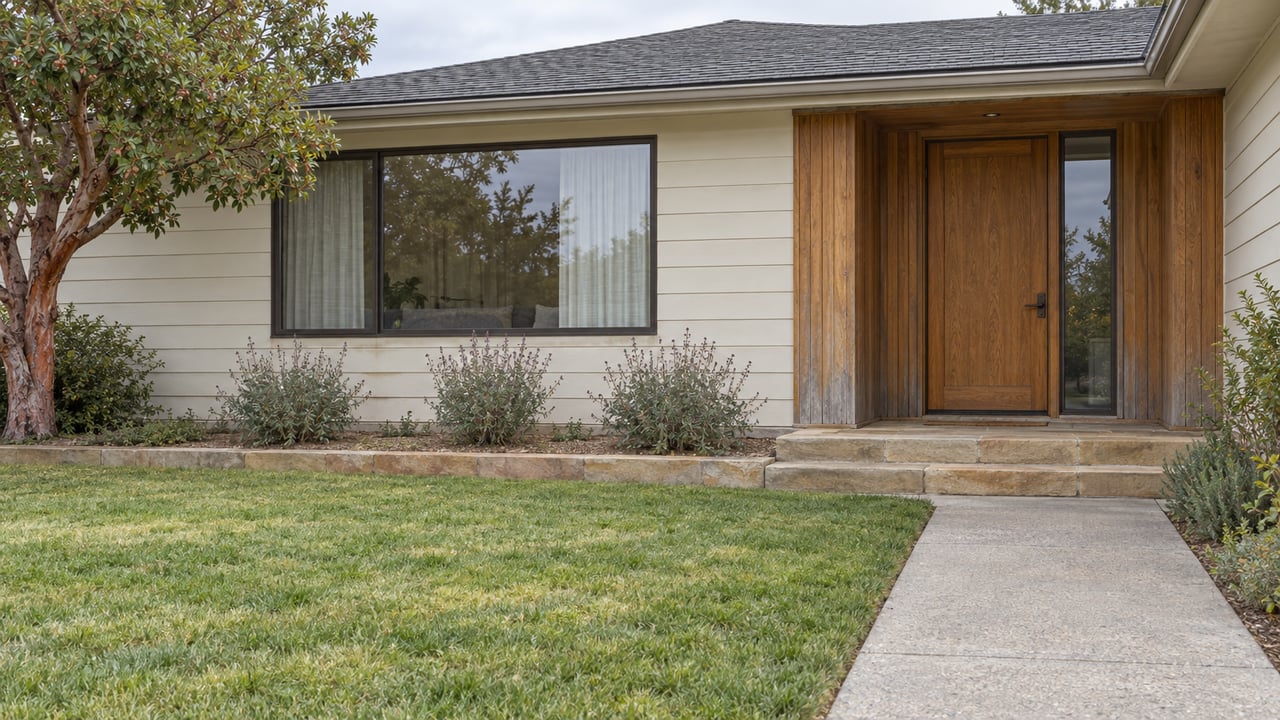
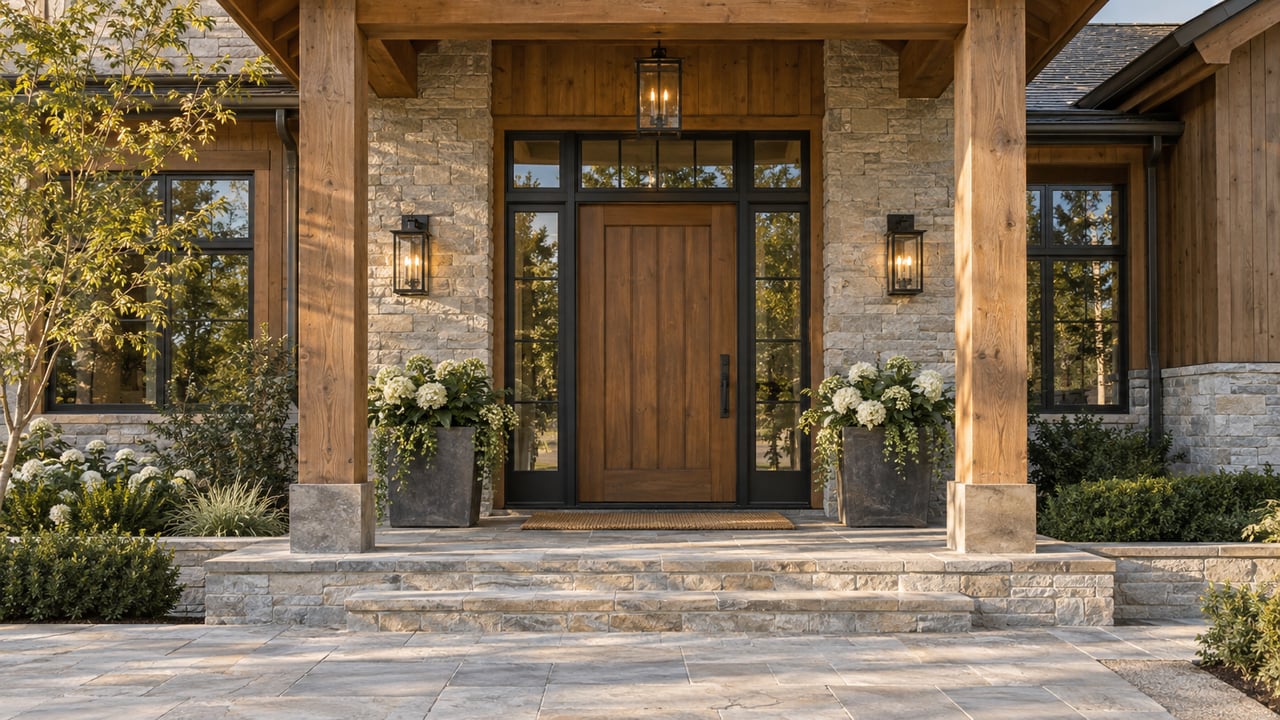
For many Sebastopol properties, the best first image is not always the foyer or living room. It may be the front approach, a garden path, a view-facing patio, or the exterior angle that best shows the home in its setting. NAR guidance notes that the lead image sets expectations, and burying outdoor spaces late in the gallery can reduce engagement.
That means you should think in sequence, not just in snapshots. The first few photos should quickly answer the questions buyers are already asking: What does the property feel like? How does the house sit on the land? Is there usable outdoor space? Can I picture daily life here?
Focus on the first impression
Before photo day, review the property from the street or driveway inward. You want the arrival to feel clean, calm, and easy to understand. Zillow’s 2025 buyer trends report also shows that private in-person tours are a common early step, so what buyers experience when they pull in matters almost as much as what they see online.
A few practical details can make a big difference:
- Clear the driveway and designated parking areas
- Remove unused equipment, trailers, bins, and stacked materials
- Trim back plant growth along the arrival path
- Make entry points easy to identify
- Confirm address numbers are visible
Stage for Daily Life
You do not need to over-furnish every corner of the property. What you do need is a presentation that helps buyers imagine how the home lives. NAR staging research found that 83% of buyers’ agents said staging made it easier for buyers to visualize the home as a future residence.
Inside the house, the rooms that usually deserve the most attention are the living room, primary bedroom, and dining area. Those are the spaces buyers tend to use to judge comfort, flow, and scale. Keep them light, clean, and purposeful.
Keep secondary spaces simple
On acreage or semi-rural properties, buyers often see sheds, barns, detached studios, workshops, or garden structures. These spaces do not always need full staging. In many cases, it is better to make them clean, organized, and easy to understand than to decorate them heavily.
If a secondary structure serves a clear purpose, let that purpose show. A tidy barn, a labeled storage shed, or an orderly studio can read better than a space filled with extra furniture. The goal is clarity.
Make Wildfire Cleanup Part of Market Prep
In Sebastopol, landscape cleanup is not just about curb appeal. It may also connect to local wildfire preparedness rules, especially on larger or more rural parcels. Sonoma County notes that requirements can differ depending on whether a property is in a city, the unincorporated county, a Local Responsibility Area, or a State Responsibility Area, so it is important to confirm what applies before making assumptions.
For improved parcels in unincorporated Sonoma County, Chapter 13A requires a 30-foot defensible space around structures. The ordinance also calls for grass cut to 6 inches or less, tree limbs limbed up 6 feet, shrubs maintained, climbing vines removed, roof and gutter debris cleared, and visible address numbers. Depending on slope, fuel load, and fuel type, additional clearance out to 100 feet may be required, and roadside clearance of 10 feet is required.
Prioritize maintenance over makeover
For sellers, this usually supports a maintenance-first strategy rather than a last-minute landscape redesign. Clean up. Thin overgrowth. Prune trees and shrubs. Remove debris. Make the first several feet around the home look clearly maintained.
That close-in zone matters even more for some older homes. California’s fire-hardening disclosure for homes built before January 1, 2010 in high or very high fire hazard severity zones specifically points to combustible landscaping within five feet of the home and under attached decks, along with vents, roof coverings, and gutters. Before photos and showings, that near-house area should be one of your first checkpoints.
Use local resources if needed
If your property needs brush or pruning cleanup, Sonoma County advertises a free chipper service for residents working on wildfire-safe cleanup. For sellers trying to move quickly, that can be a useful local resource for clearing cut vegetation before the home goes live.
Verify Outbuildings and Infrastructure Early
A Sebastopol property often includes more than the main residence. You may have a detached office, studio, barn, shed, ADU, guest space, well equipment, septic components, or emergency water infrastructure. Buyers notice these features, and they often ask questions about them early.
That is why paperwork matters. Permit Sonoma’s residential plan checklist says site plans should show property lines, easements, building locations, driveways, wells, septic systems, emergency water supply, and emergency vehicle access for one- and two-family dwellings and their accessory structures. Even if you are not building anything new, these are the kinds of details that help buyers and agents understand the property.
Pull permit history before listing
If you have added structures or converted space over time, gather your permit history as early as possible. Sonoma County’s records guidance notes that permit-history searches are most accurate when all known addresses and parcel numbers are used. Pulling records before launch gives you time to organize permits, plans, invoices, and final sign-offs.
This is especially important if your property has:
- An ADU or guest unit
- A converted garage, studio, or barn space
- Detached habitable structures
- Newer sheds or accessory buildings
- Site improvements tied to access or utilities
Confirm approved use
If a detached structure is being marketed as living space, guest space, or an ADU, the approved use should match the paperwork. Permit Sonoma’s ADU fire-prevention guidance says ADU structures must be accessible to fire apparatus within 150 feet to all four sides, and that access routes, setbacks, address numbers, and possible sprinklers or mitigation may come into play.
For larger parcels in a State Responsibility Area, Sonoma County fire-safe standards can also affect new buildings and accessory structures. If you are unsure how a structure should be described, it is better to verify first than to guess in your listing prep.
Treat Wells and Septic as Selling Features
On rural and semi-rural properties, wells and septic systems are not background details. They are part of the property’s operating story, and buyers often want confidence that these systems have been maintained and documented. If you have records, gather them early.
Permit Sonoma notes that its Well and Septic Division reviews development proposals that rely on wells or septic systems, and county materials note that some septic systems have maintenance and monitoring obligations. Some wells may also require dry-weather testing for permits in marginal or scarce water zones. For sellers, the key takeaway is simple: organized records reduce uncertainty.
Helpful documents may include:
- Septic maintenance or monitoring records
- Well information or testing records
- Repair invoices
- Service reports
- Site plans showing utility locations
Build a Strong Pre-Listing Packet
A polished Sebastopol listing is not just visual. It is also documentary. California law requires the Real Estate Transfer Disclosure Statement to be delivered as soon as practicable before transfer of title in a sale, and the Natural Hazard Disclosure framework requires disclosure when a property is in certain mapped hazard areas, including very high fire hazard severity zones or a State Responsibility Area with substantial forest-fire risk.
Older homes may require even more attention. California added a specific wildfire notice for homes built before January 1, 2010 in high or very high fire hazard severity zones, and beginning in 2025 that notice must include fire-hardening information, current standards, and low-cost retrofit information. If your home falls in that category, it makes sense to organize the related information before the listing goes live.
Consider a pre-listing inspection
A pre-listing inspection can help you identify issues before buyers do. Zillow’s 2025 report says 65% of buyers made their final offer contingent on a home inspection, and 64% remembered receiving a pre-inspection report from the seller or builder. That does not mean every issue must be fixed in advance, but it does support a more prepared and transparent strategy.
Your pre-listing packet may include:
- Inspection reports
- Repair receipts
- Pest reports
- Roof or gutter maintenance notes
- Septic or well records
- Fire-compliance documentation
- Permit records and final sign-offs
Spend Where Buyers Feel It
When sellers prepare a Sebastopol home for market, the smartest investment is often visible maintenance, functional repair, and refined presentation. NAR’s remodeling guidance is framed around buyer appeal and cost recovery, which supports putting your budget into improvements that reduce buyer hesitation rather than expensive projects that may not fit the property or timing.
In practical terms, that often means cleaning, painting where needed, repairing deferred maintenance, refreshing high-impact rooms, and making the land look cared for. You do not need to reinvent the property. You need to present it clearly, honestly, and at its best.
Photo Day and Showing Day Checklist
As launch approaches, your goal is a property that reads as complete and cared for from the first click to the final walk-through. In Sebastopol, that usually means the house, land, and support structures all feel intentional.
Use this final checklist to tighten presentation:
- Lead with the strongest exterior or lifestyle view
- Clean windows, surfaces, and main living spaces
- Organize the living room, primary bedroom, and dining area
- Clear driveways, parking areas, and walking paths
- Remove brush, roof debris, and obvious landscape clutter
- Make address numbers easy to see
- Tidy and label outbuildings where appropriate
- Gather permits, plans, and utility records
- Prepare disclosures and supporting documents early
The result is not just a prettier listing. It is a more confident one.
If you are preparing a Sebastopol property for market, Lauren Berg & Associates brings a principal-led, highly tailored approach to presentation, positioning, and buyer-facing strategy across Sonoma County. From land-rich properties to refined in-town homes, the goal is the same: show the property clearly, tell its story well, and help you launch with confidence.
FAQs
What should a Sebastopol seller do first for an acreage property?
- Start by defining the property story from the outside in. Focus first on the approach, outdoor living, land use, and overall order of the parcel, then move to interior prep and paperwork.
How much landscape cleanup does a Sebastopol property need before listing?
- Enough that the property looks maintained, accessible, and ready to show. On some parcels, that also means meeting applicable local defensible-space requirements, clearing debris, trimming growth, and making the first several feet around the home especially clean.
Which outbuildings on a Sebastopol property should be checked for permits?
- Any structure that was added, converted, or represented as more than simple storage should be reviewed. That may include ADUs, guest units, detached offices, studios, barns, sheds, and converted garages or workshops.
When does wildfire prep become a disclosure issue in Sebastopol?
- It becomes relevant when the property falls within mapped fire hazard or State Responsibility Area designations covered by California disclosure rules. Older homes in certain fire hazard zones may also require a specific wildfire notice with fire-hardening information.
Should a Sebastopol seller order a pre-listing inspection?
- In many cases, yes. A pre-listing inspection can help you understand condition issues early, prepare records, and reduce surprises once buyers begin touring and writing offers.
How can you showcase land without over-improving a Sebastopol property?
- Focus on clarity over reinvention. Clean up paths, gardens, patios, and outbuildings, highlight usable outdoor areas in the first images, and invest in maintenance and presentation rather than costly last-minute redesigns.