A Kenwood seller with a well that's pumped clean water for thirty years has every reason to think a court fight over well permits has nothing to do with them. Their well already exists. It works. Nobody is coming to shut it off.
That assumption is correct, and it's also the wrong question. The ruling that came out of the First District Court of Appeal on August 4, 2026 was never about wells that already work. It was about the one permit that matters the moment a Kenwood property needs something new: a replacement well after the old one fails, or well testing tied to a new accessory dwelling unit. That's the permit and testing process the court left in legal limbo, and it's exactly the friction that shows up mid-escrow on a surprising number of Kenwood deals.
Kenwood runs on private infrastructure, by default
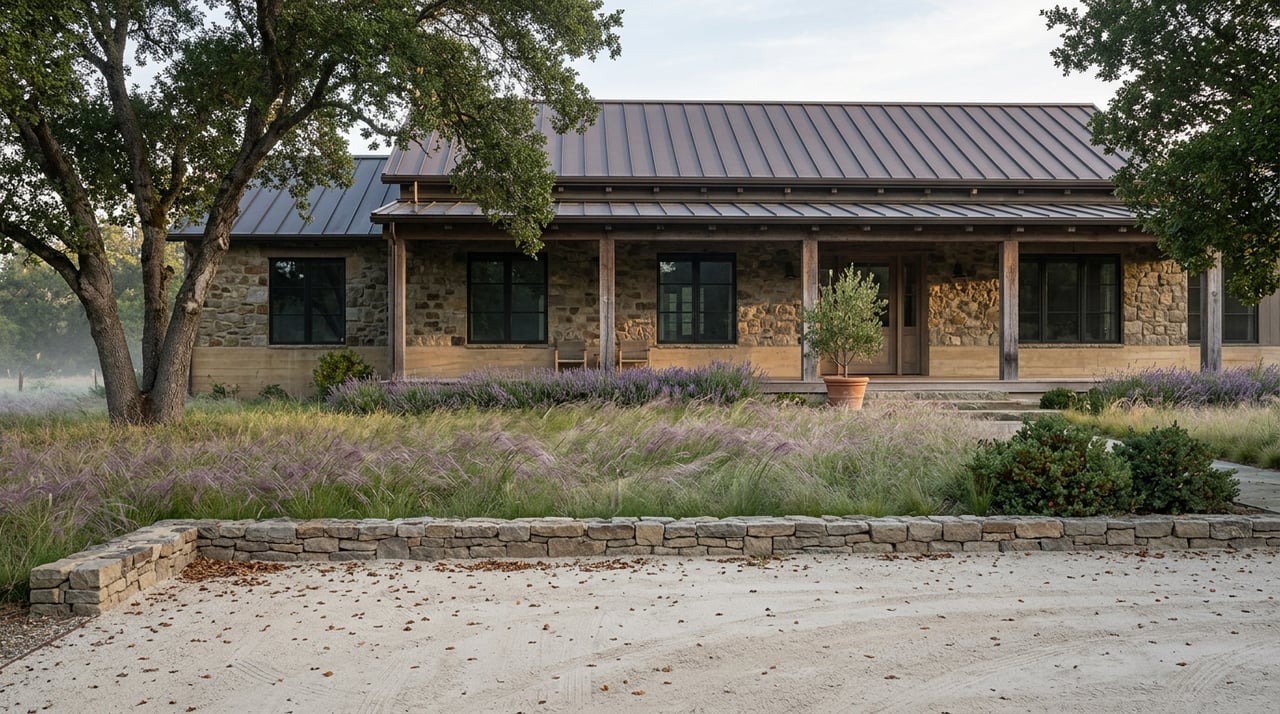
Kenwood, like Glen Ellen next door, is unincorporated. There's no city hall issuing plumbing permits and no municipal sewer system serving most of the town. Permitted work in both communities routes through Permit Sonoma, and septic work goes through the county's Environmental Health Division. Rural and estate-style properties on private wells and septic are the norm once you're off the Highway 12 corridor, not the exception.
That matters here because it means well and septic status isn't a footnote on a Kenwood disclosure packet. It's closer to the foundation. A buyer evaluating a four-acre parcel off Adobe Canyon Road is evaluating a private water system and a private wastewater system at the same time they're evaluating the house, and both of those systems answer to county rules that in-town buyers in Santa Rosa or Sonoma never have to think about.
What the appellate court actually decided
Sonoma County has more wells outside city limits than any other county in California, over 45,000 of them, and issues roughly 320 new well permits a year. The legal fight that's been running since 2021 asked whether the county's 2023 amended well ordinance did enough to protect salmon and steelhead habitat under the public trust doctrine, and whether the county was right to claim the ordinance was exempt from full environmental review under CEQA.
The appellate panel split the difference. It sided with the county on the public trust question, finding the record showed enough science and process to survive a legal challenge. It sided against the county on CEQA, ruling that the categorical exemptions Sonoma claimed didn't hold up, and sent the case back for further proceedings.
| What the ruling settled | What it left open |
|---|---|
| The 2023 well ordinance itself satisfies public trust obligations | Whether the county's CEQA review, once completed, will change permitting rules |
| Existing, permitted wells are not affected | Whether a new moratorium on non-emergency well permits could return while the county redoes its environmental review |
| The Public Trust Review Area, covering about 19% of the county, is the geography where extra scrutiny applies | Timing of that CEQA process, which has no published deadline |
The panel was explicit that it wasn't deciding the moratorium question either way. As Don McEnhill of Russian Riverkeeper put it after the ruling:
"They absolutely said, 'No, you do not come anywhere close to having a project that was exempt from CEQA.'"
That's a win on paper for the environmental groups that brought the case, and it's also the reason a Kenwood transaction that depends on a new well permit is standing on ground that could shift again before the county finishes its CEQA homework.
Where this actually surfaces in a Kenwood deal
Most Kenwood sales involve a well that's already permitted and already in use, and for those, this litigation is background noise. It becomes foreground the moment a transaction needs one of these:
- A replacement well, because the existing one has gone dry or failed a flow test
- Dry-weather well testing tied to an accessory dwelling unit, which the county requires when the ADU sits in a Class 3 or Class 4 water area
- Dry-weather well testing for any new or replacement dwelling built in a Class 4 zone, regardless of what triggered the need for a new well
If a buyer's plan for a Kenwood property includes an ADU for aging parents or rental income, or if a seller knows their well has been temperamental, the right move is to check the parcel's water zone classification and Public Trust Review Area status before writing or accepting an offer, not after opening escrow. A permit that would have been routine two years ago is now a permit riding on the outcome of a CEQA process with no fixed end date.
The septic easement most sellers forget exists
Wells get the headlines, but septic carries its own disclosure wrinkle that's easy to miss on an older Kenwood property. Sonoma County's Operational Permit and Monitoring program applies to septic systems that use supplemental treatment beyond a standard tank and drainfield, and getting one of those systems permitted requires the owner to sign a notarized easement agreement that gets recorded against the property. That easement gives county staff the right to enter and inspect the system on an ongoing basis.
A seller who installed an advanced treatment system a decade ago may not remember that the easement is sitting in the title chain. A buyer's agent who doesn't think to ask will find out about it at the title company instead of during due diligence, which is a worse time to learn it.
What to confirm before you open escrow
For a Kenwood property on well and septic, a few questions are worth answering before either side signs:
- Is the well already permitted and in active use, or would any planned work, including an ADU, require a new or replacement well permit
- Does the parcel fall inside the county's Public Trust Review Area, which covers about 19% of Sonoma County
- Is the parcel classified Class 3 or Class 4 for water availability, which triggers dry-weather testing requirements
- Does the septic system use supplemental treatment, and if so, is there a recorded OPR easement in the title history
- When was the septic system last pumped and inspected, and is there a written record to hand a buyer
None of these questions require a lawyer to ask. They do require knowing that Kenwood real estate carries a layer of county-level mechanics that a straightforward comparable sale in town simply doesn't have.
FAQ
Does this ruling affect a well that's already permitted and working? No. The litigation and the appellate ruling concern new and replacement well permits, not wells that already have a valid permit on file.
Could the county stop issuing well permits again? The appellate court declined to say either way, and left that question for the trial court to sort out once the county completes the CEQA review the ruling requires. It's a live possibility, not a settled one.
Is every Kenwood property affected the same way? No. The added scrutiny applies specifically to parcels inside the Public Trust Review Area, which covers about 19% of the county, and to new dwellings or ADUs in Class 3 or Class 4 water zones. Many existing homes on established wells outside those zones aren't touched by this at all.
If you're weighing a purchase or a sale on a Kenwood property that runs on well and septic, it helps to have someone who checks the parcel's water zone and easement history before it becomes a closing problem. Lauren Berg has spent years working Sonoma Valley's rural inventory and can walk you through what a specific property actually requires. Request a tour and bring the questions with you.