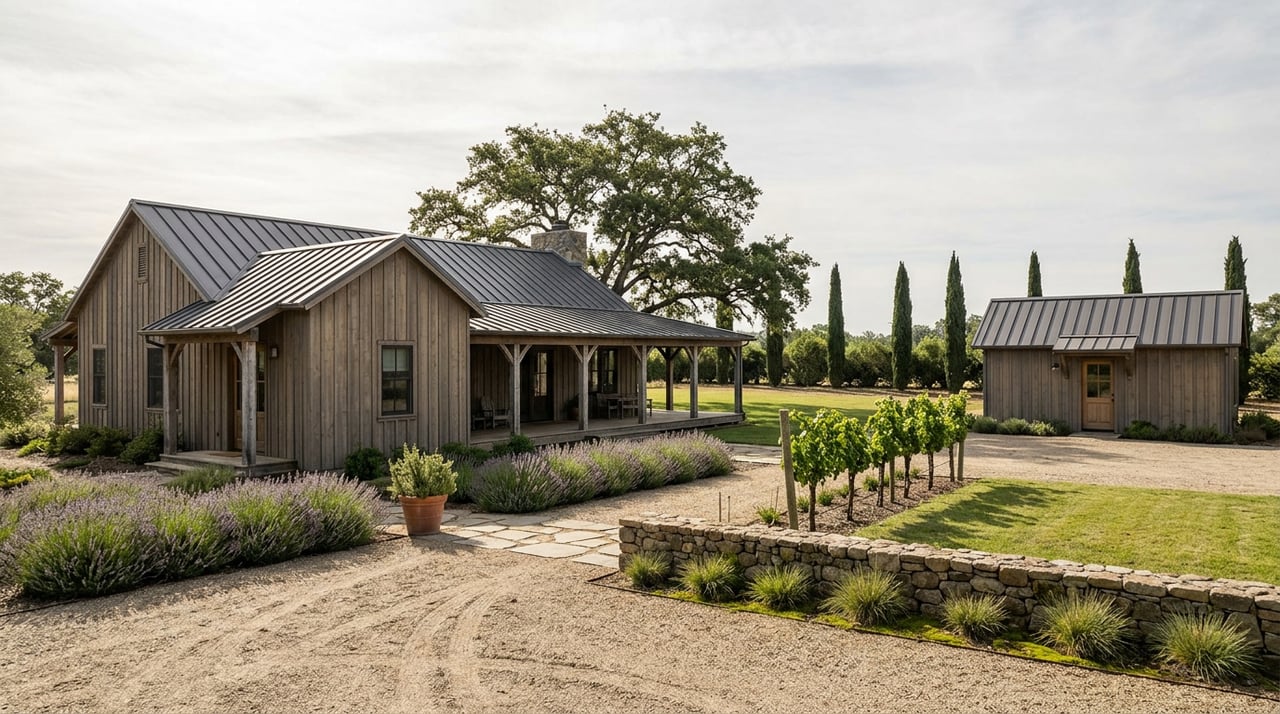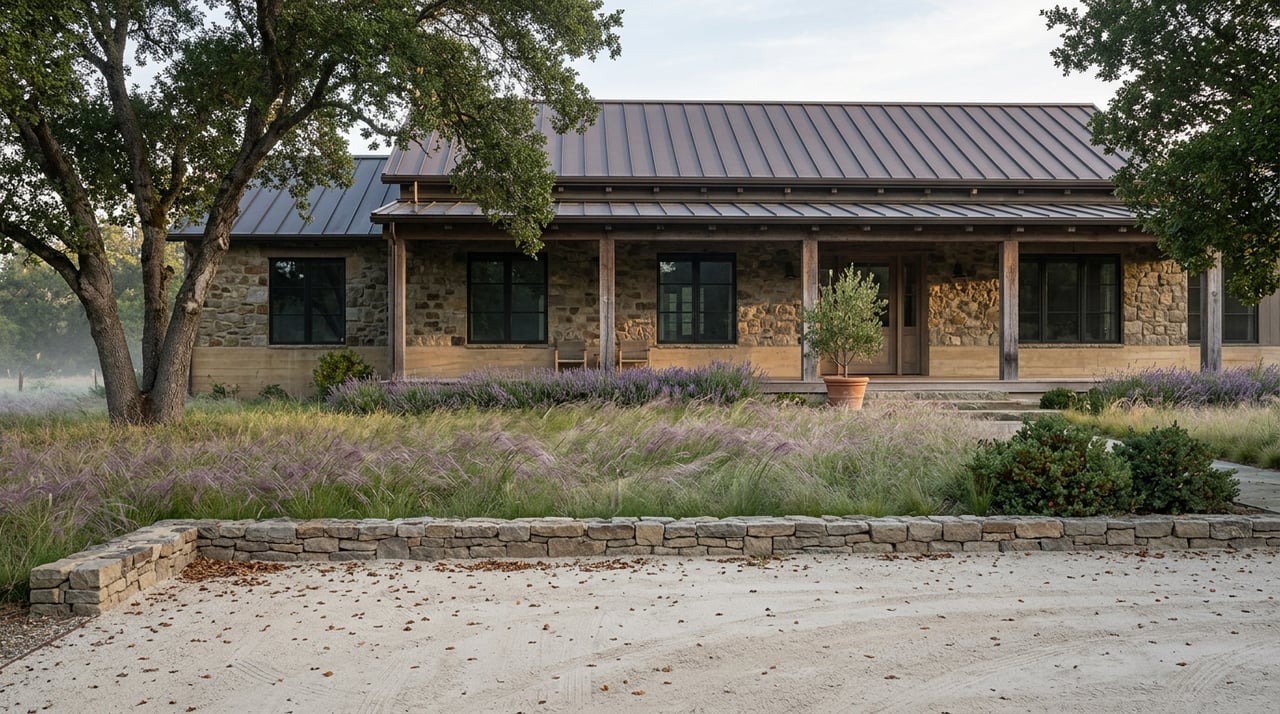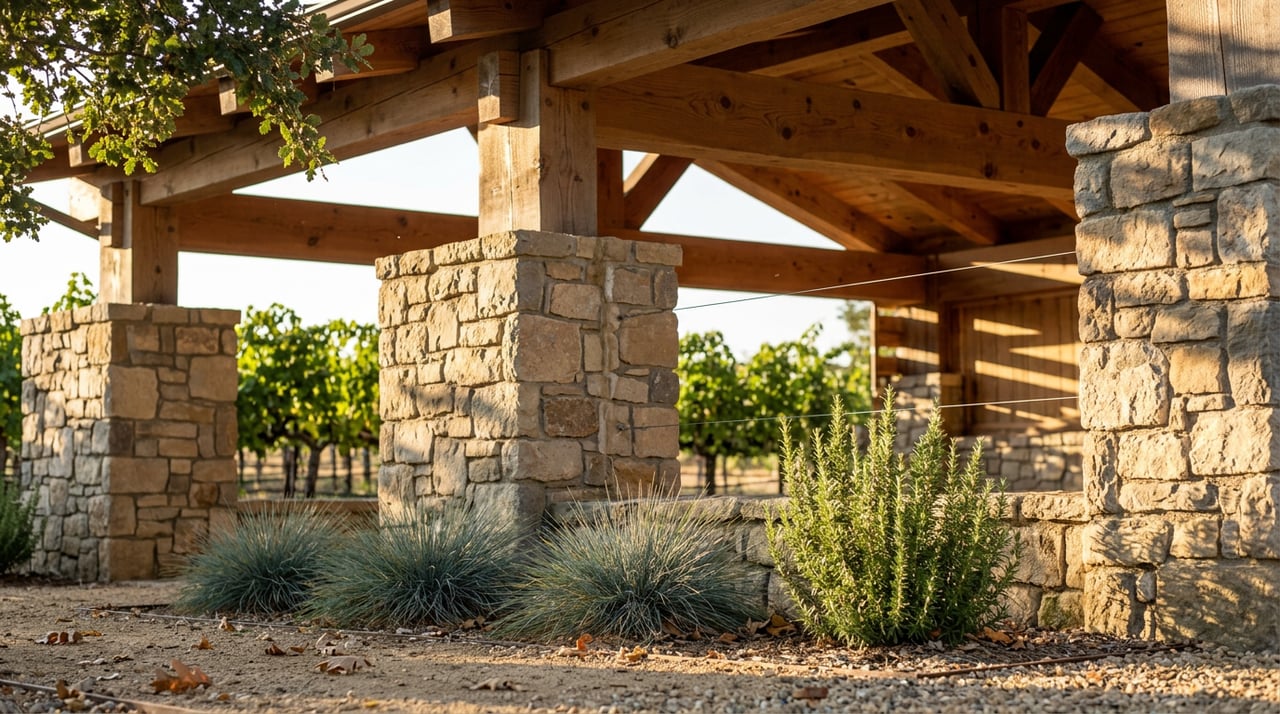
A parcel comes across the Sonoma County market priced meaningfully below what the acreage, the view, and the planted vines would suggest. The listing mentions Ag Preserve. The buyer, usually someone comparing this to what the same money buys across the county line in Napa, does the math and feels like they found something. Lower price per acre. Lower property taxes once escrow closes. What looks like it's missing is any mention of what that discount is actually compensating for.
It is not missing by accident. The Williamson Act, California's 1965 Land Conservation Act, is the reason that parcel is priced the way it is, and the reason it's priced that way is that the land comes with real restrictions the buyer inherits the moment the deed transfers. The tax savings are real. So is the bill that comes due later, on the buyer's schedule, not the seller's.
What "Ag Preserve" Means at the County Level
Sonoma County administers Williamson Act contracts through Permit Sonoma, and the mechanics are more specific than most listing sheets let on. A parcel has to sit inside a designated Agricultural Preserve, which generally requires at least 100 contiguous acres before the county will establish one, and the contract itself comes in two flavors that determine how small a single enrolled parcel can be.
| Contract type | Typical use | Minimum parcel size | Term structure |
|---|---|---|---|
| Type I (Land Conservation) | Vineyards and orchards, at least half in permanent crops | 10 acres | 10-year rolling term |
| Type II (Land Conservation) | Grazing, non-prime, or open space land | 40 acres | 10-year rolling term |
| Farmland Security Zone | Either use, opted into on top of an existing contract | Same as above | 20-year rolling term, stricter rules |
In exchange for keeping the land in agricultural or open-space use, the county assessor values it based on agricultural income rather than full market value, which is where the lower tax bill comes from. The contract is recorded against the parcel, not against the owner, so a sale doesn't touch it. Whoever buys the land buys the contract.
The Discount Is Already Priced Into What You're Paying
Here is the part that catches Bay Area buyers off guard. Land under a Williamson Act contract isn't cheaper because sellers are leaving money on the table. It's cheaper because the market already discounts it for the same restrictions the buyer is about to inherit. Current 2026 listings show small planted vineyard parcels running anywhere from roughly $50,000 to $200,000 per acre depending on plant condition and location, with entry-level vineyard estates in Sonoma starting near $1 million against a roughly $2 million entry point across the county line in Napa. Some of that gap is Sonoma being Sonoma. Some of it is that a meaningful share of that acreage carries a contract that limits what a future owner can do with it.
That means the tax savings a buyer picks up after closing were never free money layered on top of a good price. They were the reason the price looked good in the first place. The land was never fully priced as if it were unrestricted, and it never fully was.
Getting Out Is Not Simple, and the County Built It That Way
The friction shows up when an owner's plans change. A buyer who wants to subdivide, build a second residence unrelated to farming, or eventually sell to someone with different plans for the land runs into two exit paths, and neither one is quick.
Nonrenewal is the standard route. Either the landowner or the county files notice, and the contract doesn't disappear the day the notice is filed. It enters a phase-out period during which property taxes rise year over year toward full market value until the contract finally lapses. An owner who wants out has to plan for it years in advance, not the year they decide they want it.
Cancellation is the other path, and it is discretionary, not automatic. The Board of Supervisors has to find that cancellation is consistent with the purposes of the Williamson Act and in the public interest, and approval is never guaranteed. Owners who try to skip the process entirely by building on a parcel that isn't in compliance run into a specific, state-mandated consequence. Permit Sonoma's own guidance on substandard parcels notes that state law imposes penalties equal to 25 percent of the unrestricted value of the land for new structures or additions on parcels in breach of a Williamson Act contract. That is not a fee schedule most buyers think to ask about before they close.
Even Compliant Plans Trigger a Second Review
The restriction doesn't only bite when an owner tries to skirt it. Permit Sonoma's own rules state that the county cannot act on any application for a new structure or use on Williamson Act land until the owner presents sufficient evidence that the proposed use is consistent with the contract. That applies to additions most owners would consider routine, not just obvious conflicts.
A tasting room or small on-site winemaking operation may be possible, but only with the right permits and a compatible-use determination from the county first. Agritourism is common across Sonoma wine country, yet activities that read as primarily commercial can run into contract conflicts unless the county has explicitly approved them as compatible. An accessory dwelling unit runs into a parallel hurdle on the septic side: the existing system generally has to carry a current code-compliant finding before an ADU can be added, and if it doesn't have the capacity, the owner is looking at a system upgrade or a bedroom swap that converts an existing bedroom in the main house to free up capacity. None of this is disclosed on a title report. It surfaces during permitting, after the buyer already owns the parcel.
Two Systems Under the Same Parcel Are Moving Right Now
What makes 2026 a particularly important year to get this right in Sonoma County specifically is that the two approval systems sitting underneath any Williamson Act compatibility review, wells and septic, are both in motion at the same time.
Permit Sonoma's OWTS Manual, the document governing septic system design and approval countywide, was updated to Version 9.0 and approved by the North Coast Regional Water Quality Control Board in June 2026 following a public comment period earlier in the year. Anyone planning new construction, an ADU, or a septic upgrade on ag-zoned land is now working against updated standards, not the ones that governed the property when it last changed hands.
Wells are the more unsettled piece. Sonoma County has more than 45,000 water wells in its unincorporated areas, the highest per-capita count of any county in California, and a multi-year legal fight over the county's well ordinance has repeatedly changed whether new non-emergency permits could be issued at all. A December 2024 court order briefly halted non-emergency well permitting countywide before the First District Court of Appeal granted the county a stay in March 2025, allowing permits to keep moving while the case continued. One property owner caught in the middle of that timeline, in the process of drilling a separate well after his purchase agreement required him to stop relying on a neighboring vineyard's water supply, put it plainly after the order landed with no warning: "It leaves us with a lot of questions."
In August 2026, the appellate court ruled that the county's 2023 ordinance did not violate the Public Trust Doctrine, but found the county had skipped a legally required environmental review before adopting it. Permits are continuing to be issued under the standing stay, but the county now has to complete a study of how groundwater pumping affects fish in the Russian River before the ordinance stands on fully settled ground. For a buyer counting on drilling a new well or expanding an existing one on Sonoma ag land, that is not a closed question right now. It's an open one with a required next step still pending.
What to Actually Verify Before You Write an Offer
Given all of this, due diligence on a Williamson Act parcel in Sonoma County means going past the title report itself.
- Get the recorded contract and confirm which type it is, Land Conservation or Farmland Security Zone, and how much term is left
- Request written confirmation from the county of enrollment status and whether any notice of nonrenewal or cancellation is already pending
- Pull recent tax bills and the assessor's worksheet to see the agricultural-use valuation methodology in practice on this specific parcel
- Ask the county directly for a written statement of permitted and compatible uses before assuming a tasting room, ADU, or event space is realistic
- Check the permit history for any past violations or enforcement actions tied to the contract
- Confirm the well status against the current ordinance and stay, and confirm the septic system's compliance status under OWTS Manual v9.0
A Few Questions Worth Asking Directly
Does a Williamson Act contract make a property harder to sell later? No, the contract transfers with the land regardless of buyer, but any future buyer inherits the same restrictions, which is worth factoring into how the next sale gets priced and marketed.
Can I still build a house on Williamson Act land? Often yes, since agricultural use typically allows a residence tied to the farming operation, but any new structure requires the county to find it consistent with the contract first, which is a real review, not a formality.
What if I want to change what's planted or farmed on the parcel? That depends on whether the new use still qualifies as agricultural or open space under the contract's terms. It's worth getting the county's compatible-use determination in writing before making that decision rather than after.
Sonoma County's wine country land carries real value, and for the right buyer, the tax structure of a Williamson Act contract can make long-term ownership genuinely more affordable. What it isn't is a free discount stacked on top of an already good price. Knowing the difference before an offer goes in is what separates a smooth escrow from a six-month permitting surprise.
If you're evaluating a specific parcel, contract type, or well and septic status anywhere in Sonoma County, Lauren Berg and the Berg Group can walk through what a given property's Ag Preserve status actually means for your plans before you write the offer.