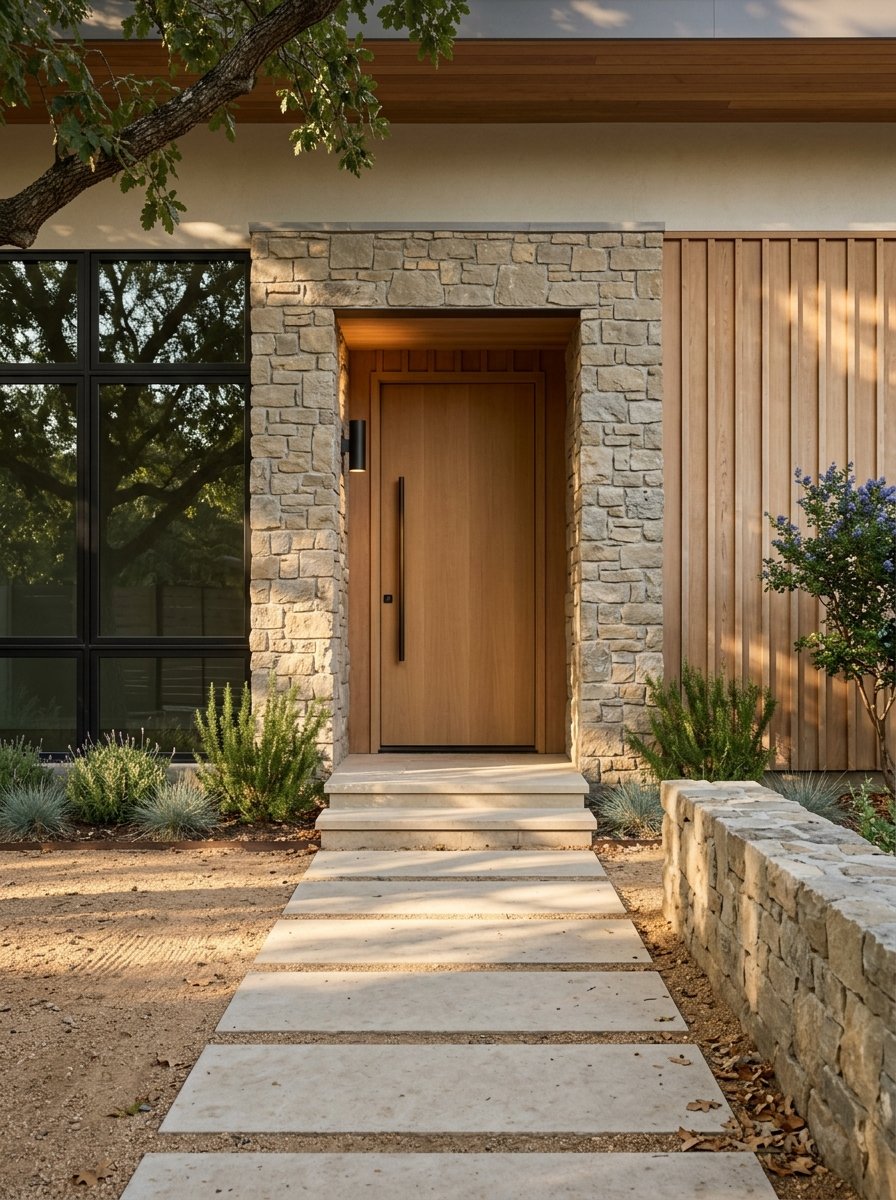
If you are thinking about selling in Sonoma County, timing matters, but not in the simple way many homeowners hope. In a market that is closer to balanced than frenzied, the best results usually come from matching the right launch window with strong pricing, polished presentation, and a clear plan. This guide will help you understand when to list, how far ahead to prepare, and why local timing can vary from one Sonoma County area to another. Let’s dive in.
Why timing matters in Sonoma County
Sonoma County is not a market where sellers can count on the calendar alone to do the heavy lifting. In early 2026, market data from Realtor.com’s Sonoma County overview showed about 1.6K homes for sale, a median listing price of $925K, a median of 39 days on market, and a 99% sale-to-list ratio in February. Redfin’s county snapshot pointed to a similar pace, with homes taking just over a month to sell and sale-to-list performance staying close to par.
That kind of market often rewards preparation just as much as seasonality. Some homes still sell above list, but price reductions are also happening, which means buyers are paying attention to value and condition. If you want a strong outcome, your timing should support your pricing and presentation strategy, not replace it.
Best time to list in Sonoma County
For most sellers, late spring is the best default window. National seasonality research from Zillow’s 2026 best time to list study found that homes listed in the last two weeks of May sold for 1.7% more nationwide, and Zillow identified the San Francisco metro area as peaking in that same late-May period.
That lines up reasonably well with Sonoma County’s recent sales pattern. According to C.A.R. market reporting, year-over-year sales activity was stronger from June through October 2025 than it was during winter, while January 2026 was weaker and February was flat. While no month guarantees a result, the data supports using late spring as the first window to consider.
Why late spring tends to work
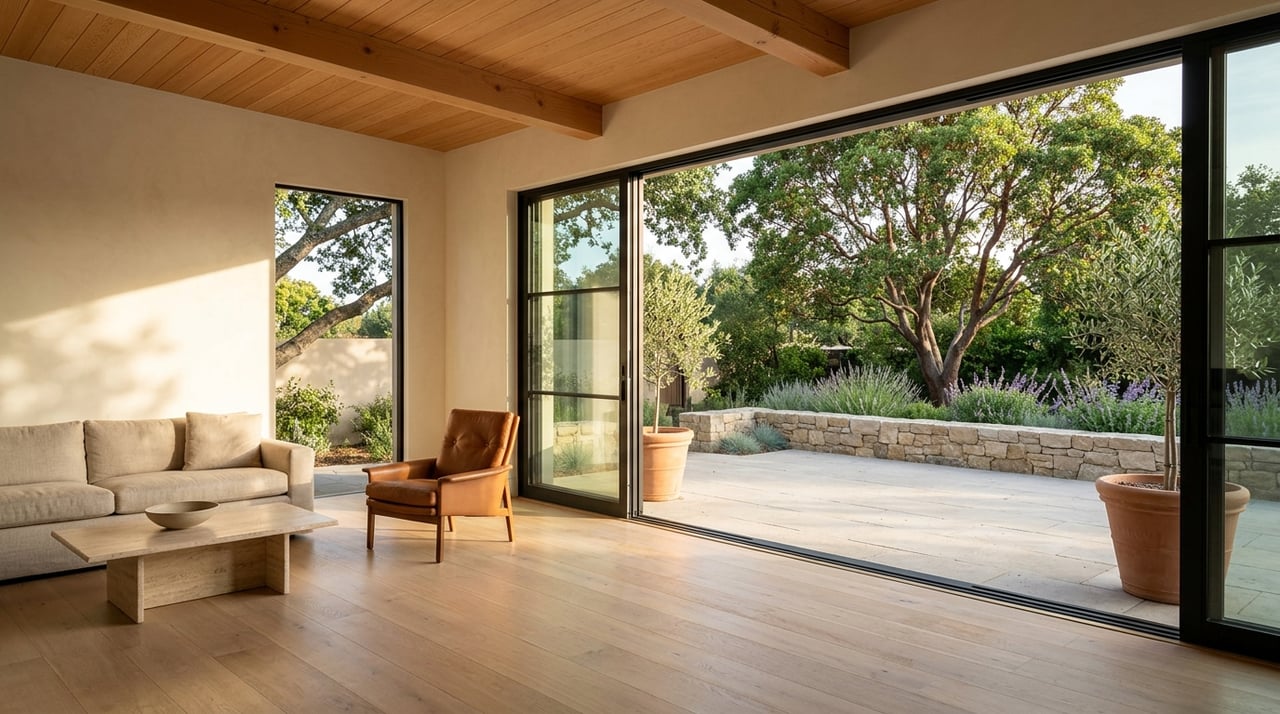
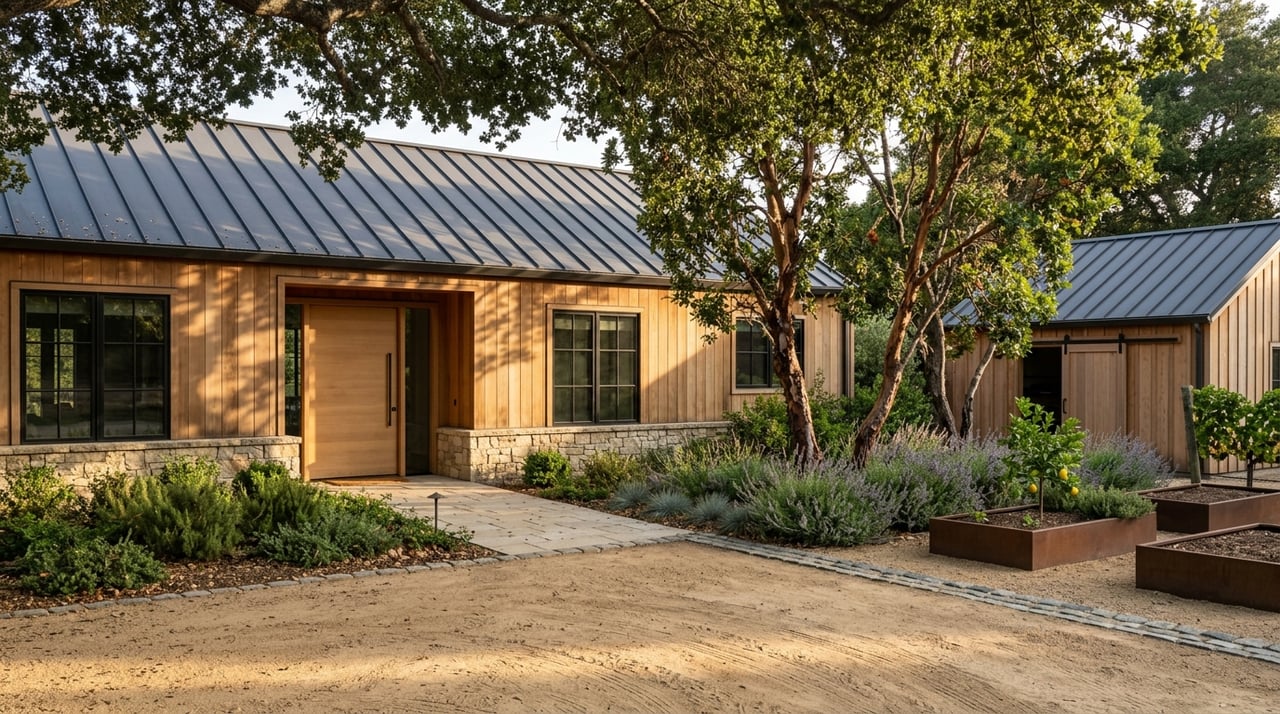
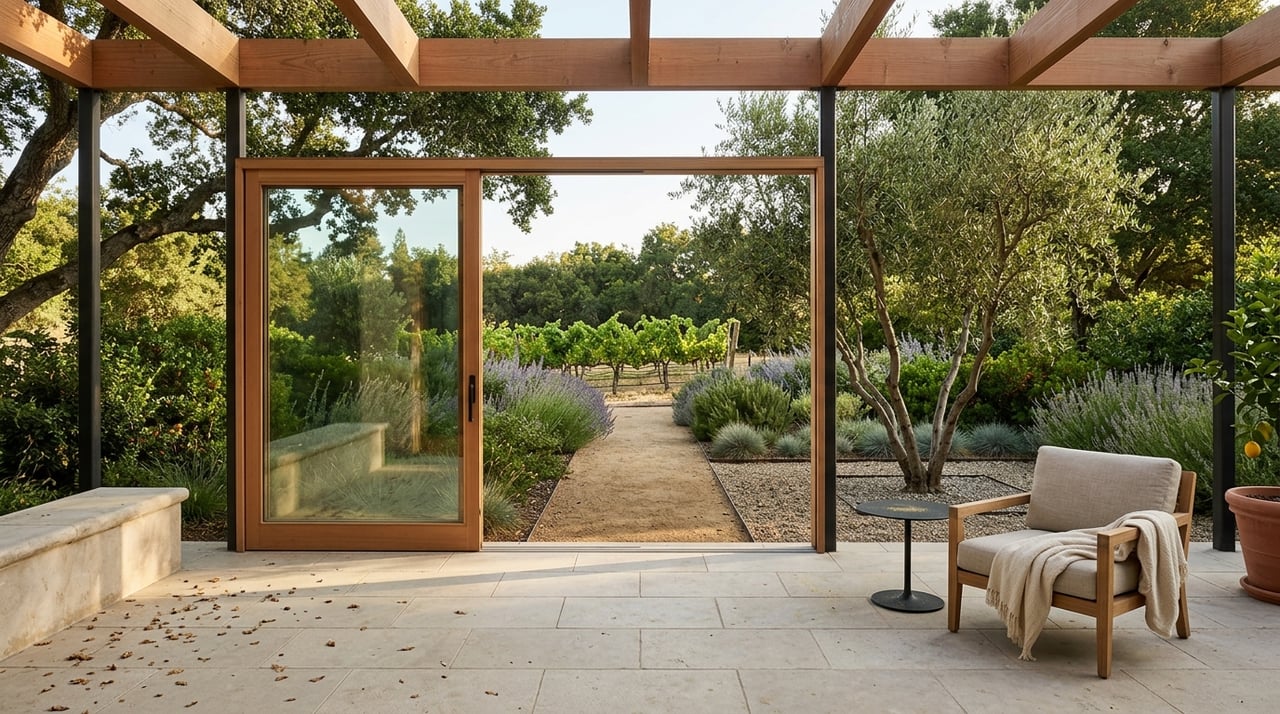
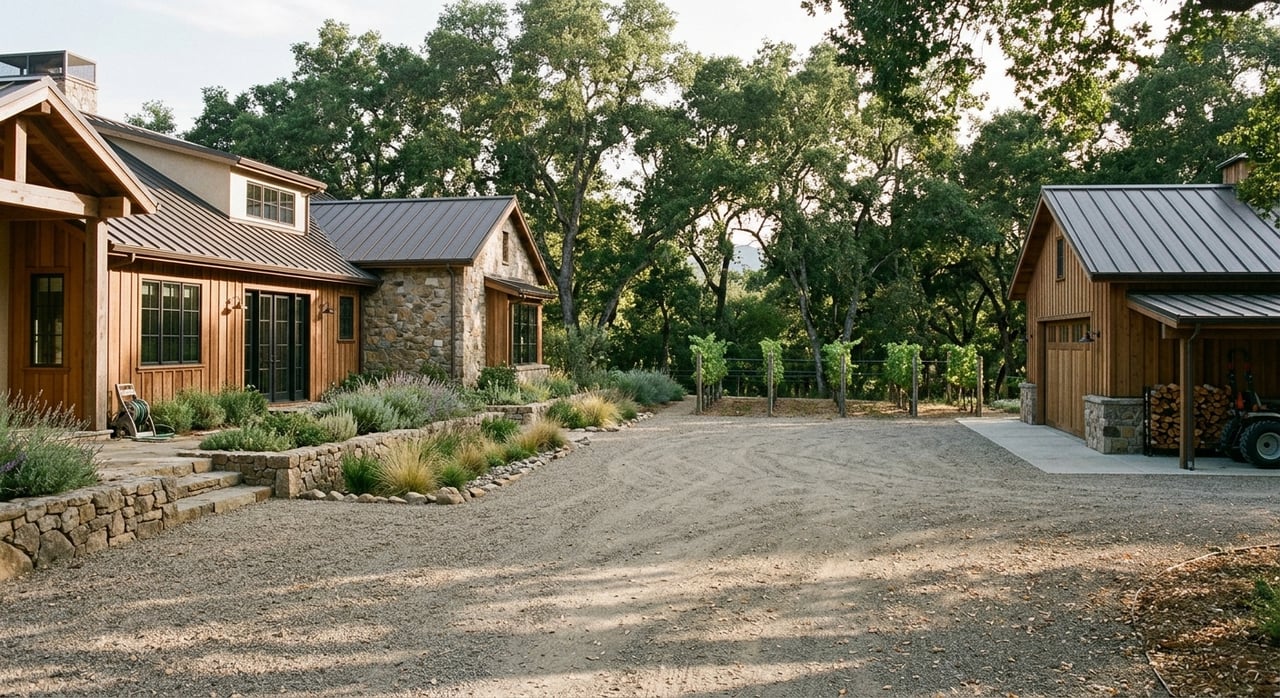
Late spring brings together several advantages at once. Buyers are often planning moves before summer, outdoor spaces usually show better, and homes benefit from improved natural light for photography and showings. In Sonoma County especially, that seasonal lift can matter because so much of a property’s appeal is tied to setting, landscape, and indoor-outdoor living.
The county’s climate also supports this timing. Sonoma County climate information notes that most rainfall falls between November and April, which can make winter preparation and exterior presentation more difficult. By late spring, gardens are often easier to maintain, curb appeal is stronger, and listing media tends to look cleaner and more inviting.
Is there one best month for every seller?
No. Late spring is a starting point, not a rule. The best week to list depends on your home’s price point, location, condition, and the amount of competing inventory buyers will see at the same time.
Even within Sonoma County, the pace can vary. Realtor.com’s seller metrics showed median days on market around 34 in Sonoma, 43 in Santa Rosa, 44 in Larkfield, and 53 in Healdsburg. That difference matters because a home in one submarket may benefit from a different launch strategy than a similar home elsewhere in the county.
Why local strategy matters more in a balanced market
In a fast-moving seller’s market, timing mistakes can be easier to overcome. In a more balanced market, buyers tend to compare more carefully, and homes that miss the mark on pricing or presentation may sit longer. That is why neighborhood-level analysis matters.
For a distinctive property, especially in the upper-mid or luxury segment, the goal is not just to list during the busiest season. The goal is to launch when your home is fully ready, visually compelling, and well positioned against nearby competition.
What if you miss the spring window?
Missing spring does not automatically mean you should wait until next year. Sonoma County sales activity remained positive through much of summer and early fall in 2025, based on C.A.R. reporting. That suggests a well-prepared listing can still perform well outside the classic spring season.
Summer can work especially well if your home has strong outdoor features, mature landscaping, or a setting that shines in longer daylight. Early fall can also be a practical option if you prepare well and price with current market conditions in mind. In both cases, readiness matters more than rushing to meet an idealized date.
When waiting may make sense
If your property needs repairs, landscape work, staging, or photography updates, it may be smarter to delay rather than launch half-ready. A balanced market gives buyers more room to notice details, both positive and negative. Taking time to improve presentation can support stronger offers and reduce the risk of extended market time.
How far ahead should you plan?
A good rule of thumb is to start planning 3 to 4 months before your target listing date. Zillow’s seller guidance suggests a timeline that begins at least two months in advance, with time for pricing, agent selection, home improvements, staging, photography, and launch preparation, as outlined in Zillow’s home selling timeline. For many Sonoma County homes, especially larger or lifestyle-driven properties, a longer runway is often more realistic.
Zillow also notes that many sellers begin thinking about a move several months before they list. That planning window is useful because it gives you time to make decisions without pressure. If your goal is a late-spring launch, winter is often the time to start the prep process.
A simple planning framework
Here is a practical way to think about it:
- For a spring listing: start planning in winter
- For a summer listing: start planning in spring
- For an early fall listing: start planning in late summer
This is not a hard rule, but it reflects the lead time many sellers need for repairs, landscaping, staging, and media production.
Prep can matter as much as timing
In Sonoma County, presentation is often a major part of value. Buyers are not just evaluating square footage or bedroom count. They are responding to light, setting, outdoor flow, and how a property feels online before they ever step through the door.
That is one reason prep deserves as much attention as timing. According to the National Association of Realtors’ 2025 staging report, 29% of agents said staging increased the dollar value offered by 1% to 10%, and 49% said staging reduced time on market. The same report found that buyers’ agents ranked photos, physical staging, videos, and virtual tours as highly important.
High-impact prep items to consider
Many sellers benefit from focusing first on the basics that improve both in-person appeal and online presentation:
- Decluttering
- Deep cleaning
- Curb appeal improvements
- Minor repairs
- Landscape touch-ups
- Staging or styling
- Professional photography and video
These steps can be especially important in a market where buyers have options and are comparing listings closely.
Weather and wildfire readiness also affect timing
In Sonoma County, timing is not only about buyer demand. It is also about how weather affects your home’s appearance and showing readiness. Winter rain can make exterior upkeep harder, while summer heat can stress landscaping and affect how comfortable a property feels during tours.
Wildfire readiness is another practical factor. Sonoma County Emergency Management advises homeowners to harden homes, create defensible space, and prepare for Red Flag Warnings. California’s 2025 wildfire preparedness campaign also emphasized getting homes ready before peak fire season.
Why this matters before listing
If you are planning a late-spring or summer launch, it helps to address defensible space and exterior maintenance early. This can improve presentation, reduce last-minute stress, and help keep your property show-ready during a more demanding season. It also supports a smoother selling experience when buyers are looking closely at overall property condition.
A smart listing strategy for Sonoma County
For many Sonoma County sellers, the strongest approach looks like this:
- Aim for a late-spring launch when possible.
- Start planning 3 to 4 months ahead.
- Treat pricing, preparation, and timing as equally important.
- Adjust the plan based on your submarket, property type, and competition.
In other words, the best time to list is often the moment when your home is truly market-ready and the seasonal window supports your goals. In a balanced market, that combination can matter more than chasing a single “perfect” month.
If you are weighing when to sell, a tailored plan can make the decision much clearer. The Berg Group offers a thoughtful, hands-on approach to pricing, presentation, and launch strategy across Sonoma County, helping you prepare your home for the market with care and precision.
FAQs
What is the best month to list a home in Sonoma County?
- Late spring is the strongest default based on current research, especially the last two weeks of May, but the right timing can vary by submarket, price point, and home readiness.
Should Sonoma County sellers wait until spring if they miss it?
- Not necessarily. Summer and early fall can still be workable listing windows when your home is well prepared and priced appropriately for current market conditions.
How much lead time do Sonoma County sellers need before listing?
- At least two months is a useful minimum, but 3 to 4 months is often more realistic if your home needs repairs, landscaping, staging, or professional media.
Does Sonoma County weather affect when you should list?
- Yes. Winter rain can make exterior presentation harder, while late spring and early summer often provide better conditions for curb appeal, photography, and showings.
Does wildfire season matter when listing a Sonoma County home?
- Yes. It is smart to factor in defensible space, home hardening, and general exterior readiness before listing during the drier months.
Is there one listing strategy for all Sonoma County neighborhoods?
- No. Market pace can vary across areas like Sonoma, Santa Rosa, Larkfield, and Healdsburg, so a neighborhood-specific strategy is usually more effective than relying on county-wide averages alone.