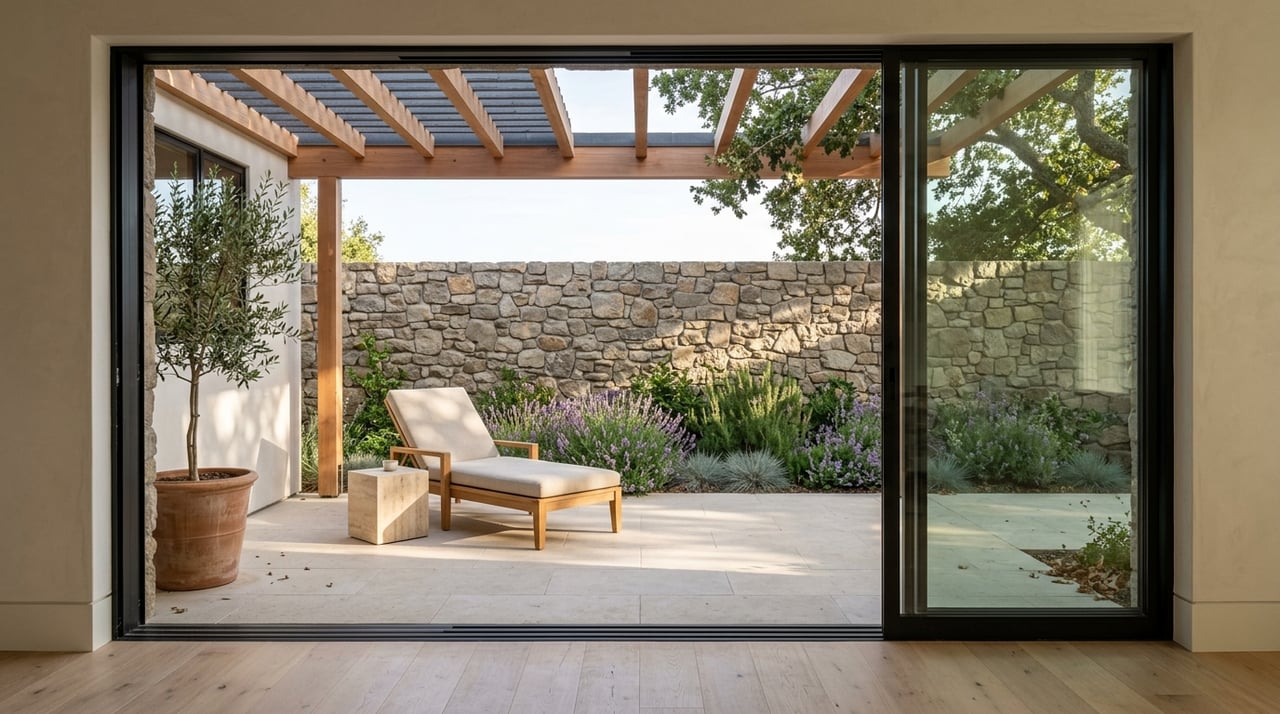
Wondering whether a Sonoma County getaway is really worth it? For many Bay Area buyers, the answer is yes, but second-home buying here comes with a few rules, costs, and location choices you need to understand before you start touring properties. If you want a clear, practical roadmap for how second-home ownership works in Wine Country, this guide will help you sort through the big decisions and move forward with more confidence. Let’s dive in.
Why Sonoma County Appeals
Sonoma County has long attracted buyers who want a second home within reach of the Bay Area. According to Sonoma County Tourism, the county includes 30 small towns, more than 1 million scenic acres, and sits about 30 miles north of San Francisco.
That mix of accessibility and variety matters when you are shopping for a second property. You can focus on a walkable town setting, a river retreat, a coastal escape, or a more private Wine Country home depending on how you plan to use it.
The market also remains active. Redfin market data cited in the research shows a median sale price of $777,000 in February 2026 and a median 62 days on market countywide, which means timing, preparation, and local guidance still matter.
Define Your Second-Home Goal
Before you compare towns or financing options, start with one question: How will you really use the property? That answer shapes almost every other decision, from location to loan structure to upkeep.
Some buyers want a personal weekend retreat. Others want a place for extended family visits or seasonal stays. Some hope to use the home personally and also rent it occasionally, but that is where the details become more important.
According to Fannie Mae’s second-home guidelines, a second home must be occupied by the borrower for some portion of the year, be a one-unit dwelling suitable for year-round occupancy, remain under the borrower’s exclusive control, and cannot be structured as a rental property or timeshare. If rental income exists, it cannot be used to qualify if the loan is treated as a second home.
That means it is smart to clarify your plan early. If you are imagining part-time rental use, you will want to confirm local rules, insurance implications, and loan treatment before assuming the property fits standard second-home financing.
Match the Town to Your Lifestyle
Sonoma County is not one single second-home experience. Different towns support different routines, travel patterns, and property goals.
Sonoma for plaza-centered living
Sonoma is often top of mind for buyers who want historic character, wine-country identity, and easy access to other parts of the county. The area is known for its historic plaza, food and wine scene, and access toward the coast.
If your ideal second home includes long weekends with tasting rooms, local dining, and an established town center, Sonoma may be a natural fit. Buyers should also pay close attention to local vacation-rental rules here, since they are especially important in the city.
Healdsburg for walkability and wine
Healdsburg is known for its walkable downtown and location at the junction of three wine regions. For buyers who want a second home that feels polished, connected, and easy to enjoy without a long to-do list every weekend, that can be a strong draw.
A more walkable setting can also reduce some ownership friction. You may find that easy access to restaurants, tasting rooms, and downtown amenities changes how often you actually use the property.
Sebastopol for arts and orchards
Sebastopol offers a different pace, with orchards, arts, and cool-climate vineyards. It is often appealing if you want something that feels creative, grounded, and slightly removed from the busier tourist centers.
For some buyers, Sebastopol works well as a second home because it balances country atmosphere with practical access. It can be especially attractive if you want outdoor space that feels usable rather than oversized.
Guerneville for river and redwoods
The Russian River area and Guerneville offer a classic resort feel, with redwoods and river recreation shaping the experience. If your second-home vision centers on weekends outdoors, this part of the county may be worth a close look.
That said, rural and river-adjacent ownership can involve added practical questions. Access, insurance, maintenance, and parcel-specific property conditions deserve a closer review before you buy.
Bodega Bay for the coast
Bodega Bay appeals to buyers who want beaches, headlands, fishing, and direct access to the Sonoma Coast. A coastal second home can feel very different from an inland Wine Country property, even within the same county.
If you are considering this area, be especially careful about local permitting assumptions. Permit Sonoma’s GIS notes that the county does not issue vacation-rental permits in the Coastal Commission Zone, which can affect how you evaluate future use.
Santa Rosa for convenience
Santa Rosa offers a broader mix of urban amenities, culture, dining, wine access, and outdoor recreation. If you want a second home that feels more plugged into everyday conveniences, Santa Rosa may deserve a place on your list.
For some buyers, that convenience supports more frequent use. It can also make ownership feel simpler if you prefer easier access to services, shopping, and transportation routes.
Understand Financing Basics First
Second-home shopping is more productive when you know your numbers before you tour. The Consumer Financial Protection Bureau recommends planning for both your down payment and your upfront costs, noting that closing costs typically run about 2% to 5% of the purchase price.
The CFPB also notes that a 20% down payment typically avoids mortgage insurance. It recommends checking your credit, keeping debt manageable, and comparing at least three lenders because rates can vary based on credit score, loan type, home price, and down payment.
For second homes, your lender will also look closely at how the property is used. That is one reason it helps to line up your financing strategy early, especially if you are considering a higher-value home, a rural parcel, or a property that may raise occupancy or insurance questions.
Budget for Costs Beyond the Purchase Price
The listing price is only part of the ownership picture. Second-home buyers should plan for ongoing expenses that may be different from a primary residence.
Common second-home costs
- Down payment
- Closing costs
- Property taxes
- Insurance
- Repairs and ongoing maintenance
- Wildfire mitigation work where applicable
- Septic or water-related work in some rural areas
California property taxes are generally based on a 1% rate plus the rate needed for voter-approved indebtedness, according to the California State Board of Equalization. A change of ownership can also trigger supplemental assessments in addition to the regular annual bill.
It is also important to know that California’s homeowners’ exemption applies only to an owner-occupied principal residence and reduces taxable value by $7,000. A true second home usually does not receive that exemption.
Check Rental Rules Before You Assume
This is one of the biggest second-home mistakes buyers make. They assume occasional rental use will be simple, only to discover that the rules vary sharply by town or zoning area.
In the City of Sonoma, new vacation rentals are generally prohibited, while existing licensed vacation rentals may continue if they meet operating standards. The city also states that overnight stays are subject to a 13% TOT plus a 2% TID assessment.
Healdsburg advises buyers to verify a conditional use permit and annual fire or safety inspection, and it notes that rentals under 30 days without a business license or TOT are red flags, according to the research provided. In addition, Permit Sonoma’s GIS states that the county does not issue vacation-rental permits in the Coastal Commission Zone.
The takeaway is simple: do not buy based on hoped-for rental flexibility without verifying the exact rules tied to the parcel and jurisdiction.
Prepare for Insurance and Property Upkeep
Sonoma County second-home ownership can be easy to enjoy, but some homes require more planning than others. This is especially true for rural, wooded, or hillside properties.
CAL FIRE says the best protection combines home hardening and 100 feet of defensible space. The research also notes that the Sonoma Valley Fire District says AB 38 defensible-space inspections apply to certain residential sales and transfers in high or very high fire hazard zones.
For some rural properties, utility and land systems also matter. Permit Sonoma notes that homeowners in areas without public sewer must have septic systems, and permits are required for new or replacement wells.
That does not mean you should avoid these properties. It simply means you should evaluate them with a full ownership lens, not just a lifestyle lens.
Use a Practical Buying Filter
A second home should fit your real habits, not just your vacation-day imagination. The most successful purchases usually come from being honest about how often you will visit and how much upkeep you actually want.
Useful filters from the research include:
- Low-maintenance systems and finishes
- Easy parking and access
- Enough guest space without creating excess upkeep
- Outdoor space you will actually use in every season
This kind of checklist can keep you focused. It also helps you avoid buying a property that looks romantic on paper but feels complicated once you own it.
Why Local Guidance Matters
Second-home buying in Sonoma County often involves more than finding a beautiful house. You may also be weighing town-specific rental restrictions, wildfire considerations, tax questions, and property systems that do not come up in a more standard suburban purchase.
Freddie Mac recommends building a homebuying team that includes trusted professionals, including an agent and lender, because buying decisions often involve financing choices, budgeting, and property-specific details. In Sonoma County, that local support is especially useful when a home’s value is tied to location nuance, land features, and intended use.
If you are exploring a second home here, working with a team that understands the county at a neighborhood and parcel level can help you narrow the search, spot issues sooner, and make a more informed offer. When you are ready to explore Sonoma County with a more tailored strategy, the Lauren Berg & Associates can help you evaluate the right fit and request a tour.
FAQs
What qualifies as a second home in Sonoma County?
- Under Fannie Mae second-home rules, the property must be occupied by you for some portion of the year, be a one-unit dwelling suitable for year-round occupancy, remain under your exclusive control, and cannot be structured as a timeshare or rental property for loan-qualification purposes.
Can you rent out a second home in Sonoma County occasionally?
- Maybe, but you need to verify both loan rules and local ordinances first because vacation-rental regulations vary by jurisdiction, and some areas have strict limits or permit restrictions.
What costs should you expect when buying a second home in Sonoma County?
- In addition to the purchase price, plan for a down payment, closing costs, property taxes, insurance, repairs, maintenance, and possible wildfire, septic, or water-system expenses depending on the property.
Which Sonoma County towns fit different second-home goals?
- Sonoma is known for its historic plaza and wine-country setting, Healdsburg for walkability and wine, Sebastopol for orchards and arts, Guerneville for redwoods and river access, Bodega Bay for the coast, and Santa Rosa for broader urban convenience.
Why is local representation important for Sonoma County second-home buyers?
- Local guidance can help you evaluate town-specific rental rules, wildfire disclosures, tax considerations, and parcel-level issues such as septic, well, and access questions before you commit.