If you love the idea of a home with history but still want a kitchen that works, a comfortable layout, and easy access to daily errands, Petaluma has a compelling story to tell. This is one of those rare North Bay communities where older architecture is not frozen in time, but thoughtfully woven into everyday life. If you are considering a move to Petaluma or looking for a home with character, understanding how historic homes and modern living come together here can help you buy with more confidence. Let’s dive in.
Why Petaluma feels distinct
Petaluma’s historic appeal starts with depth and variety. According to the City of Petaluma’s historic preservation resources, the city includes a National Register historic commercial district downtown, along with two city-designated local historic districts. The downtown commercial district alone includes 96 contributing buildings across about 23 acres, reflecting development from the mid-19th century through World War II.
That history shows up in more than one architectural look. Petaluma’s preservation and walking-tour materials reference Queen Anne, Gothic Revival, Colonial Revival, Spanish Colonial, Craftsman, and Neo-Classical buildings, creating a layered streetscape rather than a one-style town. The city’s architectural identity is also closely tied to local history as a river town that grew after the Gold Rush and later became known for its agricultural roots, including its reputation as the chicken-and-egg capital, as noted in Petaluma’s historical walking-tour materials.
Where historic character stands out
If you are drawn to homes with a strong sense of place, Petaluma offers several areas where that character is especially visible. The city identifies Oakhill-Brewster as one of its earliest residential neighborhoods, while the A Street district includes residential and mixed-use buildings largely constructed before 1925. You can explore more through the city’s overview of Petaluma historic districts.
What makes these areas appealing is not just age. It is the way original proportions, street-facing details, and architectural variety still shape the experience of walking through the neighborhood. For many buyers, that creates a stronger emotional connection than newer homes can offer.
How historic homes support modern living
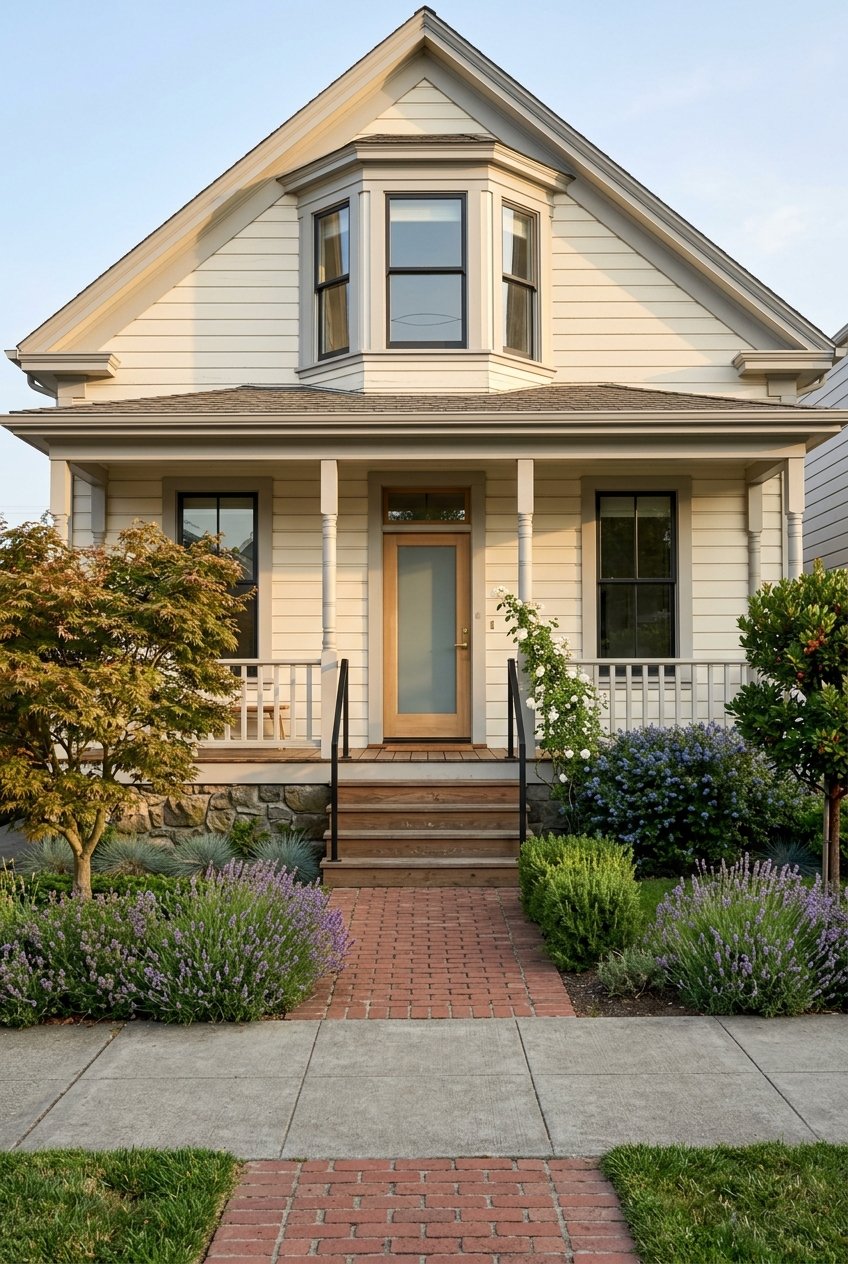
A common question is whether an older Petaluma home can actually function well for modern life. The city’s recent project examples suggest the answer is yes, especially when updates respect the home’s original street presence. In several reviewed projects, homeowners added practical living space while preserving key historic features that define curb appeal.
At 528 Oak Street, for example, the city describes a rear addition designed to create a kitchen and family room, along with interior renovation, while leaving the front facade unchanged. Nearby at 526 Oak Street, plans included added rear space, a set-back second story, matching exterior materials, parking reconfiguration, and increased energy efficiency through window and door replacements. The same project materials also describe the Storey Residence expansion in Oakhill-Brewster, where rear and upper-floor additions supported a dining room, accessible bathroom, laundry room, and other everyday needs while preserving the principal facade.
The pattern is clear. In Petaluma, modernization often happens behind or above the original structure in ways that protect what you see from the street. That approach allows buyers to enjoy historic charm without giving up the functionality many households want today.
Preservation and sustainability can work together
Older homes sometimes carry a reputation for being harder to update responsibly. Petaluma’s planning framework points in a more balanced direction. The city’s historic-resources policy framework explicitly includes sustainability in existing buildings, showing that preservation and modernization are not treated as opposites.
For buyers, that matters. It means conversations around updating a historic property may include not only aesthetics and character, but also efficiency, longevity, and practical performance. In the right property, you may find that stewardship and comfort support each other.
What daily life near downtown can look like
Historic charm means more when it connects to real convenience. Petaluma’s downtown is not simply a preserved backdrop. It functions as an active, walkable core with shopping, dining, and services that can make day-to-day living easier.
Visit Petaluma describes downtown as a historic, walkable shopping district spanning 15 city blocks, with boutiques, galleries, restaurants, wine tasting rooms, and antique destinations housed in 1800s buildings. The same guide notes free parking in downtown garages, which adds flexibility whether you are visiting for an afternoon or living nearby.
Mobility options continue to expand as well. Visit Petaluma reports that LumaGo offers a free on-demand shuttle in central Petaluma, and Redwood Bikeshare launched locally in October 2024. For buyers who value a more car-light lifestyle, that helps reinforce downtown Petaluma as a practical neighborhood, not just a destination.
The city is also continuing to shape the downtown core carefully. In April 2025, the City Council approved a downtown overlay along Petaluma Boulevard South intended to support walkability, public benefits, and historic character near the SMART station. For buyers, that signals an effort to balance growth with preservation rather than choosing one over the other.
What to know before buying a historic home
Owning a historic home in Petaluma can be deeply rewarding, but it comes with a different decision-making process than buying a more conventional property. The city notes that homes and commercial buildings in historic districts may face special requirements and limitations, especially for exterior changes such as paint and windows. Depending on the scope of work, projects may also require permits, plan review, or added code-related upgrades. You can review those basics in the city’s permits FAQ.
That does not mean historic ownership is restrictive in every case. It means you should go in with a clear understanding of what can be changed, what may require review, and how improvements are typically approached. In Petaluma, the strongest project examples suggest that preserving visible character while adapting the home behind the scenes is often the path forward.
A smart lens for buyers
If you are considering a historic home in Petaluma, it helps to evaluate the property through three lenses:
- Architectural integrity: Does the home retain the details and proportions that give it character?
- Functional updates: Have kitchens, baths, layout, or utility systems been improved for current living?
- Future flexibility: If you want to make changes later, what level of review or permitting might apply?
This approach can help you look beyond charm alone. A beautiful facade matters, but so do flow, comfort, and the feasibility of future improvements.
Why this matters in the Petaluma market
For many buyers in Sonoma County and the North Bay, Petaluma occupies a distinctive middle ground. It offers meaningful architectural history, a usable downtown, and a civic approach that supports adaptation rather than treating older homes as untouchable. That combination can be especially appealing if you want a property with story and texture, but do not want to sacrifice everyday livability.
It also means the best opportunities are often nuanced. Two homes may look similar from the curb but differ significantly in prior approvals, renovation quality, or future improvement potential. Having thoughtful local guidance can make a real difference when you are weighing those tradeoffs.
If you are exploring historic homes in Petaluma or thinking about how character and modern living can work together in your next move, the Berg Group can help you navigate the details with a local, tailored approach.
FAQs
What historic districts are recognized in Petaluma?
- Petaluma includes a National Register historic commercial district downtown and two local historic districts, including Oakhill-Brewster and A Street, according to the city’s preservation resources.
Can a historic Petaluma home be updated for modern living?
- Yes. City project examples show rear additions, set-back upper floors, interior renovations, and efficiency improvements that preserve the main street-facing facade.
Does downtown Petaluma feel walkable for everyday life?
- Yes. Visit Petaluma describes downtown as a walkable district with shops, restaurants, galleries, tasting rooms, parking, shuttle service, and bikeshare options.
Do exterior changes to historic homes in Petaluma require review?
- Often, yes. The city notes that properties in historic districts can have special requirements and limitations, especially for exterior changes such as paint and windows.
Why do Petaluma historic homes have so much architectural variety?
- Local sources connect that variety to Petaluma’s development as a river town after the Gold Rush and its later agricultural growth, which shaped a layered mix of building styles over time.